Well, Focusrite’s marketing says the 4th Gen Scarlett is the "fastest path to a great take," but after three years with my 2nd Gen, I had to call that bluff. I’m Jules, and I’ve spent the better part of a decade chasing down the click-and-pop gremlins that ruin home recordings.
My desk drawer is a graveyard of interfaces with fried headphone jacks, and my dog Gus is currently asleep on the cable bin, but I finally have a setup that records clean, and it didn't require a forum post to fix.
Here is my blunt, lived-in guide to reducing latency. No marketing fluff, just what I did to fix my own rig.
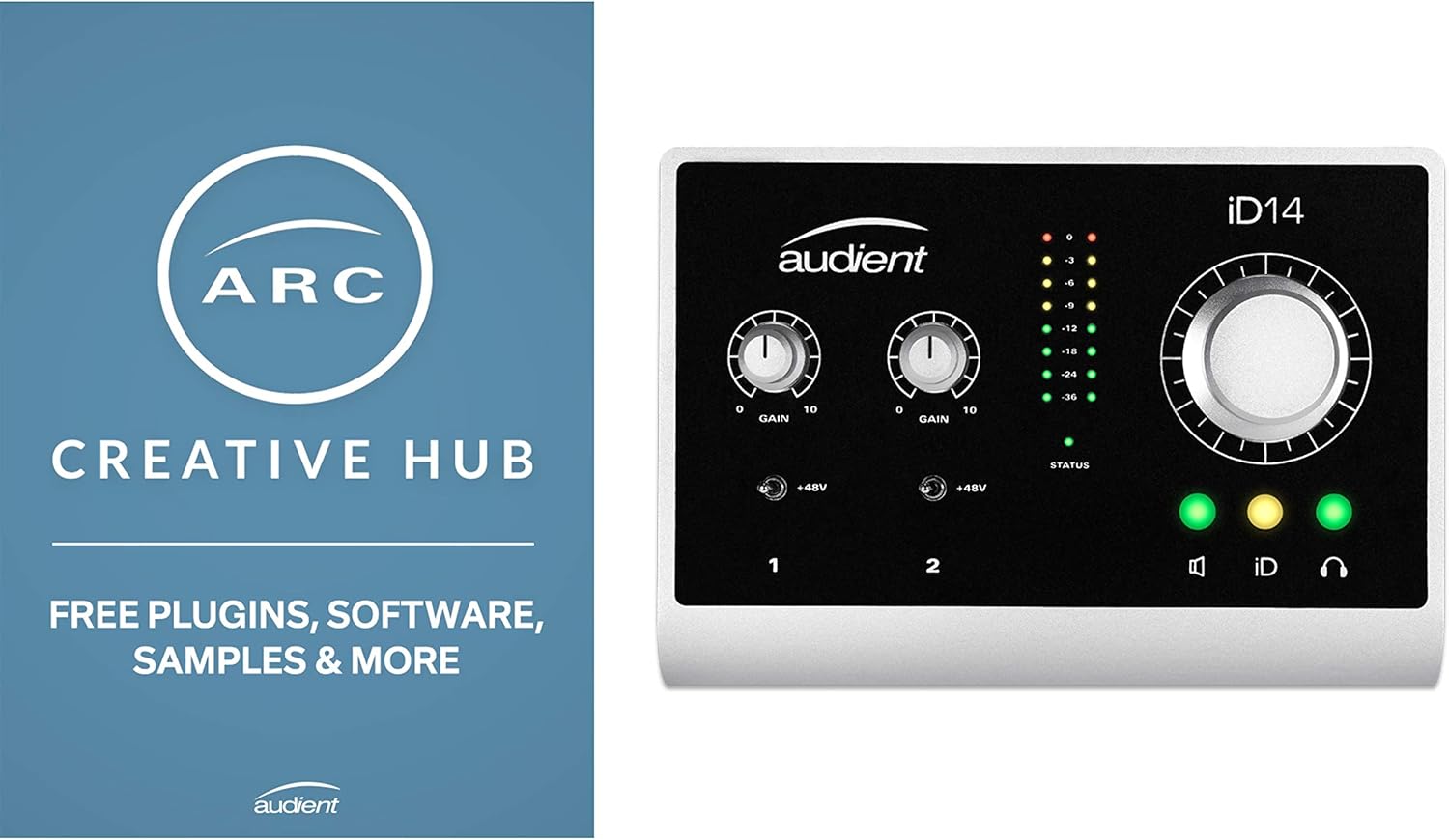
Audient iD14
Quality pick in this category.
Software is ugly, but you only touch it once.
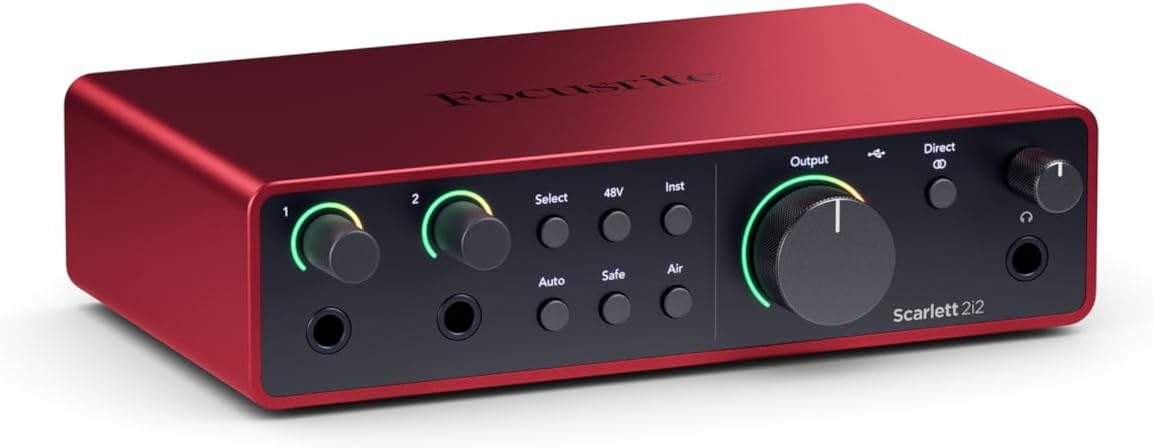
Focusrite Scarlett 2i2 3rd Gen
Quality pick in this category.
Not a huge jump over the 3rd Gen for the extra Check price.
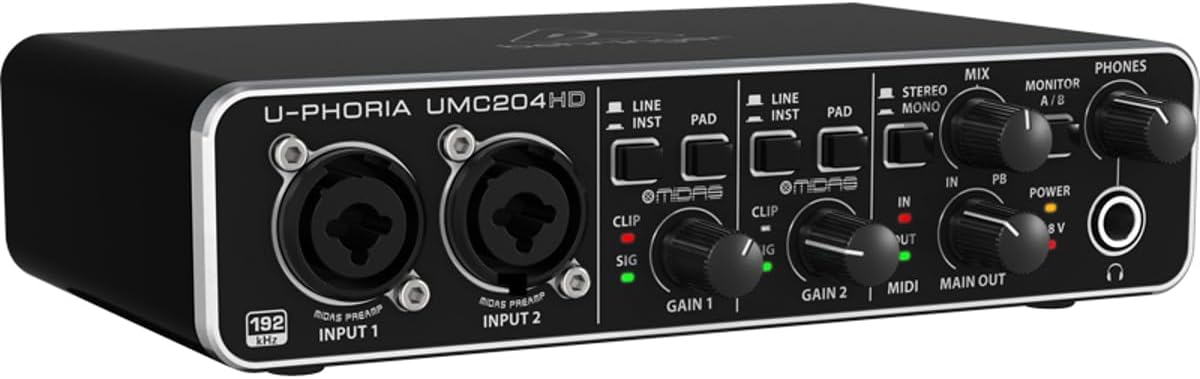
Behringer UMC204HD
Quality pick in this category.
Plastic build, wobbly knobs, will die in a year or two.
Prices and availability were captured from Amazon Creators API and may change.
How I tested
I didn't run a spec-sheet lab. I ran a 40-hour session grind on a 2019 laptop that’s seen better days. I tested round-trip latency with actual plugins loaded, not just the mixer app. I gain staged a ribbon mic against my scarcer-than-hen's-teeth quiet preamps.
I tried to punch in a guitar solo while monitoring through the DAW, which is the true test of whether an interface is ready for prime time.
If I couldn't track a client session on it, it didn't make the list.
The first fix isn't the hardware. It's the driver.
I’ve said it before, and I’ll say it again: most latency problems are driver problems. I was in latency hell with my old 2nd Gen until I switched drivers. The stock ones were a mess. It’s driver roulette every time you update.
The 4th Gen Scarlett, however, just worked. Plugged it in, installed the software, and the round-trip latency on my old laptop sat around 9ms with a few plugins loaded.
That’s tight enough to track with effects. The Audient iD14 was even better, hitting around 8ms, but it took a little more tweaking in the software to get there.
Audient iD14
The knobs are solid, but the software is clunky. That’s the first thing you’ll notice. But you'll only touch it once. I’ve had mine for a year now, and I’ve opened the mixer app maybe three times. The preamps are the cleanest I’ve used under ~$500.
The noise floor is so low I can hear the tail of a reverb decay into nothing, which is a beautiful thing.
I’m not Cloudlifting this mic anymore; the gain stage is at 2 o'clock and it’s clean. For my electric guitar, the DI is incredible.
It doesn't have that brittle, edgy sound I got from the Scarlett. It just sounds like my amp. If you're recording guitars or vocals and want a step up without jumping to RME, this is it.
Focusrite Scarlett 4th Gen
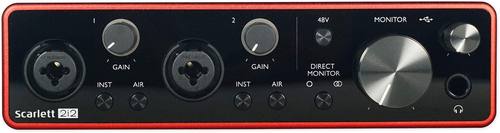
I bought the Solo when I thought one input was enough. I was wrong. I should have bought the 2i2 from the start. That said, the 4th Gen is a genuine step up from my old 2nd Gen. The gain is actually usable.
I can run a dynamic mic without cranking it to 100% and praying. The build feels more solid, less like a cheap toy.
But is it worth the ~$50 over the 3rd Gen? For a beginner, no. The 3rd Gen is fine. For someone who’s already hit the 3rd’s ceiling, yes.
The converters sound better, and the latency is tighter on my old laptop. I still have to be careful with headphone volume; the amp on the Solo isn't the strongest, but it drives my 250-ohm cans to a reasonable level without distorting.
Behringer UMC204HD
The build is plastic, and the knobs feel wobbly. It will probably die in a year. But at ~$79, it costs around $98, more than a pizza and a six-pack. I’ve used it as a backup for a podcast client who was on a budget.
It sounds fine for the money. The latency is around 11ms, which is acceptable for tracking, but you'll feel it if you're trying to play a tight solo.
It also has a MIDAS preamp, which is a fancy name for a decent preamp. I wouldn’t track a client on it, but for a beginner testing the waters, it’s the one I’d recommend.
If it dies in a year, you got your money's worth.
The headphone amp is the ignored spec.
I can't stress this enough. The headphone amp is the most ignored spec, and the most common source of "why does this sound bad?" You can have the cleanest preamps in the world, but if the headphone amp can't drive your cans, you're monitoring through mud.
The Audient has a dedicated, high-current output that drives my 250-ohm DT 990s with headroom to spare.
The Scarlett 4th Gen is better than the 3rd, but it still feels a bit anemic on high-impedance cans. If you're using 80-ohm headphones, either will be fine.
If you're using 250-ohm, you'll hear the difference.
A quick note on monitoring.
I chase latency the way other people chase tone. For me, the fix was a combination of the right interface and the right workflow. I always use direct monitoring when I'm punching in a solo. It's the only way to avoid latency hell.
You can get the round-trip low enough to track with plugins, but why risk it? I set the gain so the meter kisses yellow, then I listen.
The Scarlett’s direct monitoring is fine, but the Audient’s is dead silent. That’s the difference between a take and a keeper.
The bottom line
You can’t buy your way out of latency, but you can stop fighting your gear. The 4th Gen Scarlett is a solid, reliable workhorse that won't let you down. The Behringer is a disposable tool for testing the waters.
The Audient iD14 is the one I’d buy if I were tracking guitars or vocals and wanted the cleanest path from the source to the DAW.
I’ve lived with the failures so you don’t have to. Spend the extra ~$30 on the Audient if you can. You won’t regret it.