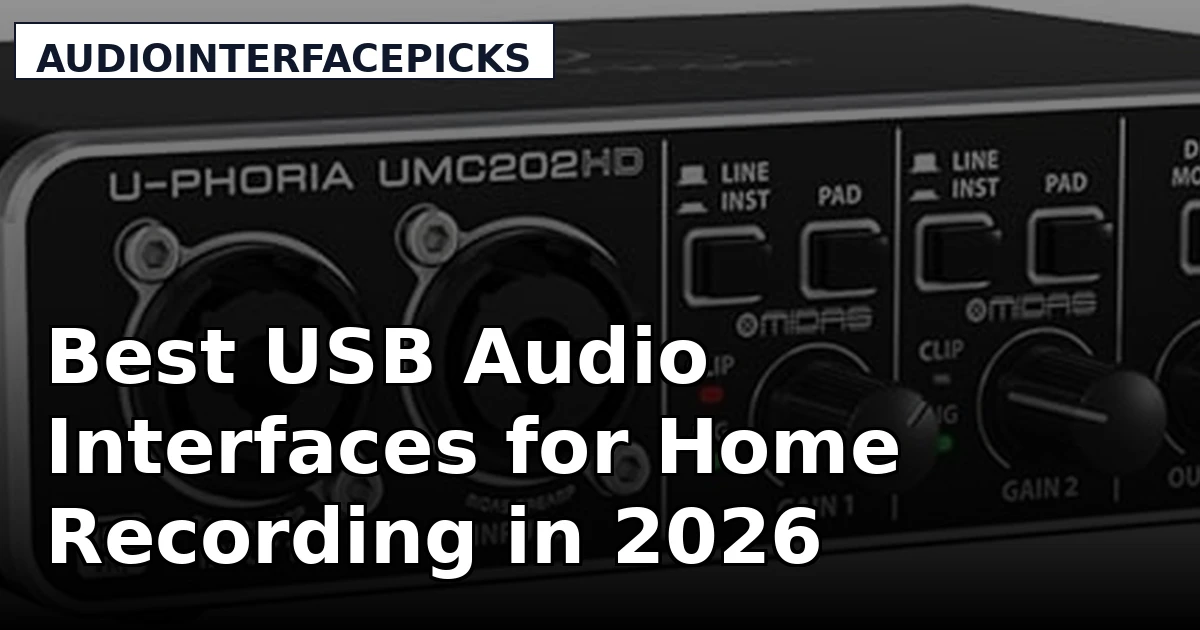
For most people, the search for a USB audio interface for home recording comes down to three problems at once: a microphone that needs clean gain, a guitar or keyboard that needs a usable input, and a computer that has to hear both without a delay you can feel in your hands. The box in the middle decides how pleasant all of that turns out, and it decides it for years, because interfaces outlive laptops.
The scope of this guide is deliberately tight. Six products: one that I would hand a first-time home recorder without hesitating, and five that cover the jobs that one cannot do. More inputs, ADAT expansion, recording straight to a phone or tablet, and two accessories that solve problems people usually notice only on the day the problem shows up. No claims that any of this makes you sound like a studio. It makes your recordings cleaner, and cleaner is the part you control.
Related: Audio Interface Latency: What Actually Matters
Quick answer
The Mackie Audio Interface, Onyx Producer 2X2 USB Audio Interface with MIDI (Onyx Producer 2-2) is the strongest fit for most home setups because it pairs two Onyx preamps with MIDI in and out, so a microphone, a guitar, and a keyboard can all live on one connection without adapters. Choose the Behringer UMC202HD instead when you want a compact two-channel box with Midas mic preamps and a stated 24-bit/192 kHz path and you have no need for MIDI.
Audio interfaces and studio extras worth comparing
What separates these six is not brand prestige. It is channel count, the preamp design the manufacturer actually names on the box, whether MIDI and ADAT are on board, and whether the item is an interface at all. Two of the six are accessories, and they earn their place because a small studio keeps breaking or outgrowing something: a controller that rides in a bag between gigs, and a mixing guide for the person who bought the interface first and the skills second.
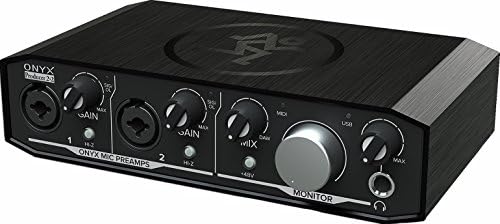
Mackie Audio Interface, Onyx Producer 2X2 USB Audio Interface with MIDI (Onyx Producer 2-2)
A two-input, two-output USB interface with MIDI in and out, built around Mackie's Onyx mic preamps. The MIDI ports make it the one card here that can host a keyboard or a pad controller without a separate adapter.
Visit on Amazon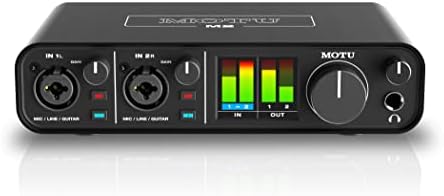
Behringer UMC202HD Audiophile 2x2, 24-Bit/192 kHz USB Audio Interface with Midas Mic Preamplifiers | For Recording Microphones and Instruments
Check current Amazon price
A two-in, two-out USB interface with Midas mic preamps and a stated 24-bit/192 kHz conversion path. The straightforward compact choice when two channels is genuinely all you record.
Visit on Amazon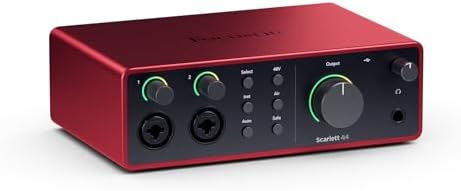
Behringer UMC1820 Audiophile 18x20 USB Audio/MIDI Interface with Midas Mic Preamplifiers and ADAT I/O | For Recording Microphones and Instruments
An 18-input, 20-output USB audio and MIDI interface with Midas mic preamps and ADAT I/O. This is the card for tracking a full band in one pass, or for adding channels later over ADAT.
Visit on Amazon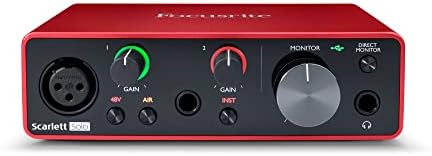
MAONO P1 USB Audio Interface with 70dB Gain for PC, Phone, iPad & Guitar
A USB interface rated at 70 dB of gain and built for PC, phone, iPad, and guitar. The pick when recording happens away from the desk, or when a dynamic microphone needs every bit of gain the preamp can give.
Visit on Amazon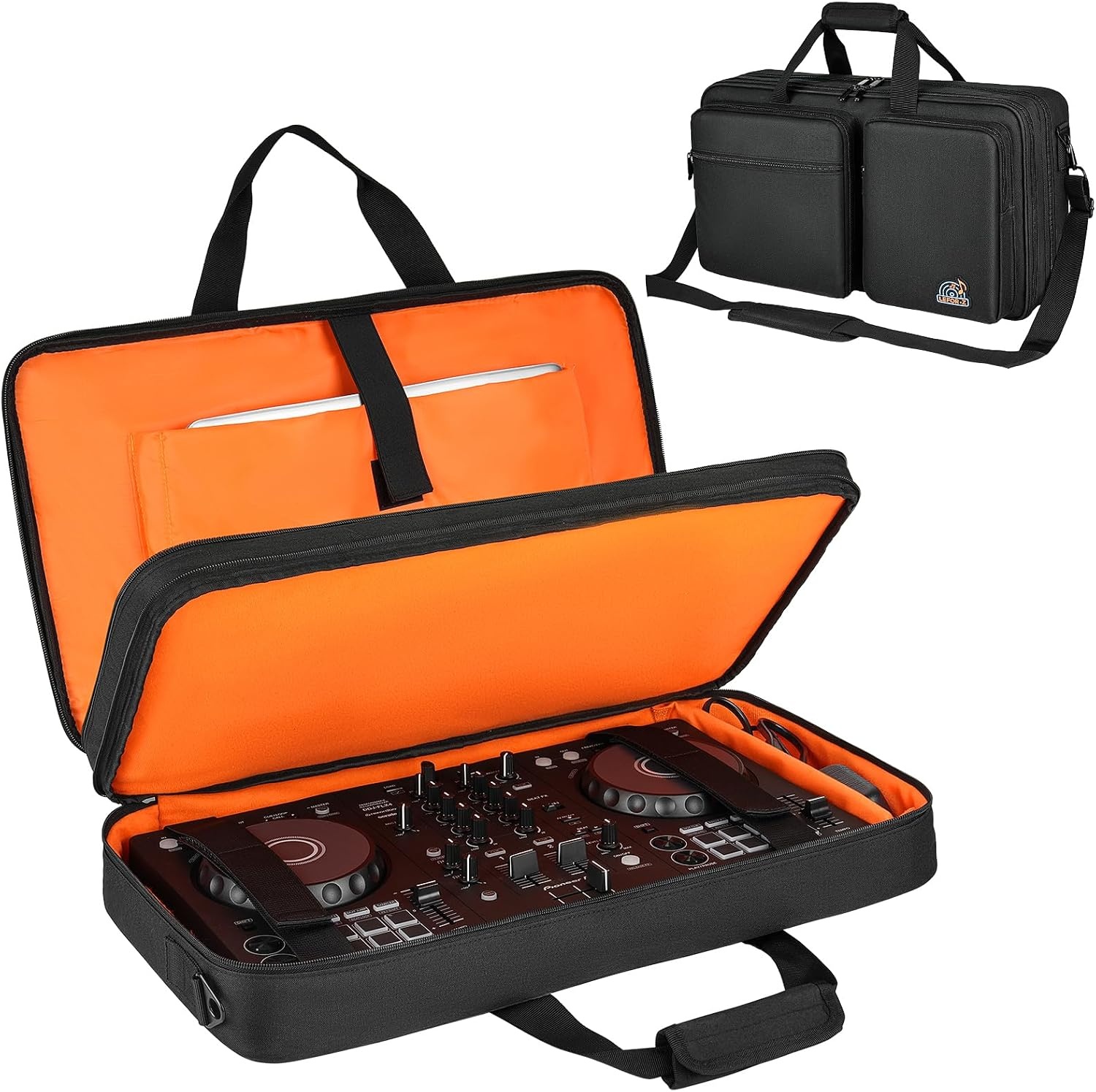
DJ Controller Case Fits for Pioneer DDJ-FLX4/Numark Mixtrack Platinum FX
A carry case sized for the Pioneer DDJ-FLX4 and the Numark Mixtrack Platinum FX controllers. Protection for the gear that travels to gigs, not a recording tool.
Visit on Amazon
Step By Step Mixing: How to Create Great Mixes Using Only 5 Plug-ins
A short, practical guide to building a complete mix with only five plug-ins. Useful for the person whose interface arrived before their mixing skills did.
Visit on AmazonPrices and availability may change. Check the retailer for current details.
How these products were compared
Five things decide the order of this list: channel count and input type, the preamp design the manufacturer names in its own description, the conversion specification the maker publishes, onboard MIDI and expansion connectivity, and how well each accessory fits the gear it names. Product names, images, and retailer links are matched by product identifier, so every card points to the product shown above it.
Every claim below comes from the manufacturer's own product description. There is no measurement data here and no claim of hands-on testing of a specific unit. Where a number appears, it is a number the maker publishes. Confirm the details on the product page before ordering, including whether the exact model still ships with the feature you are buying it for.
How to choose the right audio interface
Start with a count, not a brand. Write down the largest number of things you will ever record in a single pass. A solo singer with a guitar is two inputs. A two-person podcast is two inputs. A drum kit is eight or more, and no amount of clever gain staging fixes a missing channel. Two inputs is the right answer for most home setups, and the two-channel boxes here, the Mackie and the Behringer UMC202HD, are built around that reality.
Then look at gain. Condenser microphones are easy to drive. Dynamic and ribbon microphones are not, and they are the reason a published figure like 70 dB of gain matters. If your microphone is a moving-coil dynamic and your preamp runs out of travel at two o'clock, you will spend every session fighting noise. An interface that advertises a high gain figure is answering that specific complaint.
Then check connectivity against your actual desk. MIDI in and out means a keyboard or pad controller plugs straight into the interface instead of competing for a USB port. The ADAT I/O on the 18-input Behringer is how you add channels later without replacing the box you already own. And if your recording happens away from a desk, a unit built for PC, phone, and iPad is a different category of tool than a rack piece.
Finally, think about latency before you buy, because it is the specification people shop last and complain about first. Driver quality matters more than chip numbers, and under 10 ms of round-trip latency on a mid-range laptop is the practical target. Budget interfaces on Windows also reward one evening of setup: install the current driver from the manufacturer rather than trusting whatever the operating system offers, then leave it alone.
Mackie Onyx Producer 2X2 USB Audio Interface
The Mackie Onyx Producer 2X2 is a two-input, two-output USB interface with MIDI in and out, built around Mackie's Onyx mic preamps. That combination is why it sits at the top of this list instead of the middle of it. Two channels handle the everyday work: a vocal mic on one input and a guitar, a bass, or a stereo keyboard on the other. The MIDI ports mean a keyboard controller or a drum pad connects through the interface rather than fighting for a slot on a laptop that already has a phone and a drive plugged in.
The trade-off is worth stating plainly. This is a two-channel box. If your sessions involve a drum kit, a four-piece band tracked live, or a growing pile of outboard gear, it runs out of inputs long before it runs out of quality. There is no ADAT expansion on it either, so the ceiling is the ceiling. Buy it when your work fits in two channels and step up to the 18-input Behringer when it does not. That is arithmetic, not a knock on the Mackie.
Alternatives to consider
The Behringer UMC202HD is better suited to a two-channel setup where the appeal is a stated 24-bit/192 kHz path and Midas mic preamps in a compact box, while the Behringer UMC1820 is a stronger fit when you need 18 inputs and 20 outputs, onboard MIDI, and ADAT I/O to expand later. Those two cover opposite ends of the channel-count question, and choosing between them is mostly a matter of counting what you actually record.
The MAONO P1 covers a different job entirely. It is built for PC, phone, and iPad use with a stated 70 dB of gain, which puts it in the conversation for anyone capturing interviews away from a desk or driving a dynamic microphone that a starter preamp struggles with.
The DJ Controller Case and Step By Step Mixing are the two non-interface items here. The case is sized for the Pioneer DDJ-FLX4 and the Numark Mixtrack Platinum FX, so it solves transport damage for people whose controller leaves the house. The book is a short guide to building a mix with five plug-ins, a reasonable follow-up purchase for someone who just bought a first interface and has not mixed anything yet.
Day-to-day use and maintenance
Gain staging is most of a good recording, and it is free. Set input gain so the meter kisses yellow on the loudest part of the performance rather than the average, and leave headroom for the take that gets excited. If you find yourself at maximum gain with a quiet microphone, the limitation is the preamp, not your technique, and that is the moment to look at a unit with a higher published gain figure.
Phantom power is the other habit worth building. Condenser microphones need it; most dynamics do not. Turn it off before you connect or disconnect a microphone, mute the channel while you do it, and never hot-plug a ribbon microphone into a live input. Interfaces that draw phantom power from the USB bus are convenient, but a busy laptop port is not a laboratory power supply, so if recordings turn noisy under load, try another port or a powered hub before blaming the preamp.
Physical care is unglamorous and effective. Strain-relieve your cables so the connectors are not carrying the weight, keep the interface out of direct sun, and dust the top panel rather than letting debris work into the jacks. If your controller travels, keep it in the case and let the case take the abuse. Keep the manual too, because routing features you ignore on day one tend to become the feature you cannot live without in month six.
Buying checklist
- Count the inputs you need for your largest realistic session, not your average one.
- Decide whether you need MIDI in and out, or whether USB alone is enough for your controller.
- Check the published preamp gain figure if you record with dynamic or ribbon microphones.
- Confirm the exact model includes the feature you are buying it for, such as ADAT I/O or phone and tablet support.
- Measure your desk space, and check case dimensions if the gear travels.
- Read the manufacturer's setup and maintenance documentation for the specific unit.
- Verify the current retailer price, availability, and return terms before ordering.
Final recommendation
Choose the Mackie Onyx Producer 2X2 when your sessions fit in two channels and you want MIDI on board without adding another box. Choose the Behringer UMC202HD when two channels is the plan and a stated 24-bit/192 kHz path with Midas preamps is what you are after. Choose the Behringer UMC1820 when you track more than two sources at once, or when you want ADAT room to grow into. Choose the MAONO P1 when the recording happens on a phone or tablet, or when a dynamic microphone needs more gain than a starter box provides.
The accessories are easy to dismiss and easy to need. If your controller leaves the house, a case is protection you appreciate only when you skip it. If you have never balanced a mix, a short guide costs less than a plug-in bundle and teaches more. Buy the interface that matches the session you actually record, and spend the difference on the room.