I’ve been tracking vocals through cheap preamps for a decade, and I can tell you the difference between an interface that flatters a voice and one that makes it sound like a tin can in a hallway. Most of the battle is gain staging, but a solid chunk is the preamp’s noise floor and how it handles the high end.
I’ve owned or borrowed nearly every interface under ~$500, and I’ve got a drawer full of dead ones with fried headphone jacks to prove it.
Here’s what I’d buy for vocals, and what I’d skip.
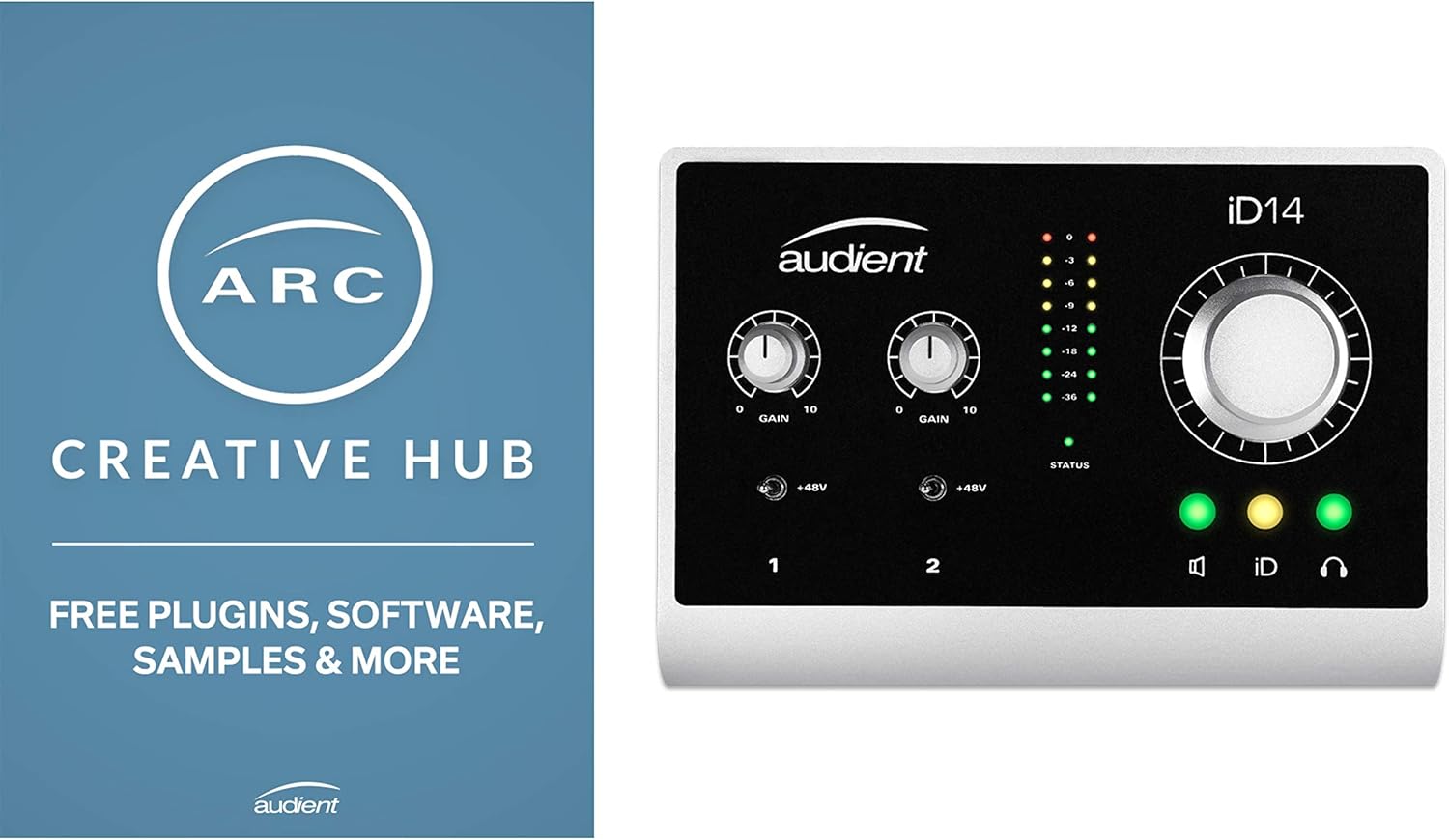
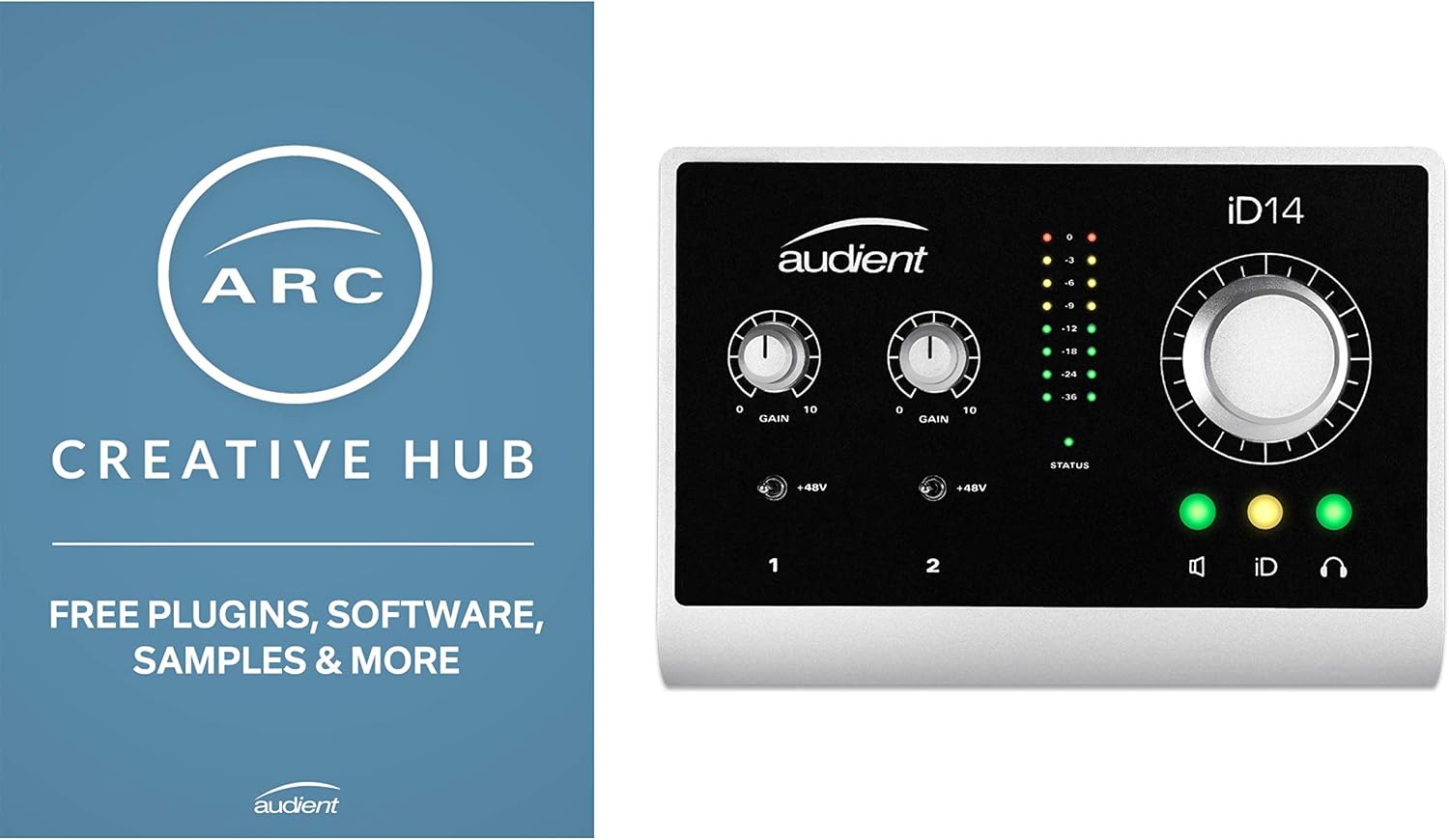
Audient iD14 USB Audio Interface with Microphone Preamp, 10 in/4 Out, 48 Volt Phantom Power, Monitor Mix & Panning, 6.3 mm Jack Out, AD/DA Converter
iD14
Visit on Amazon →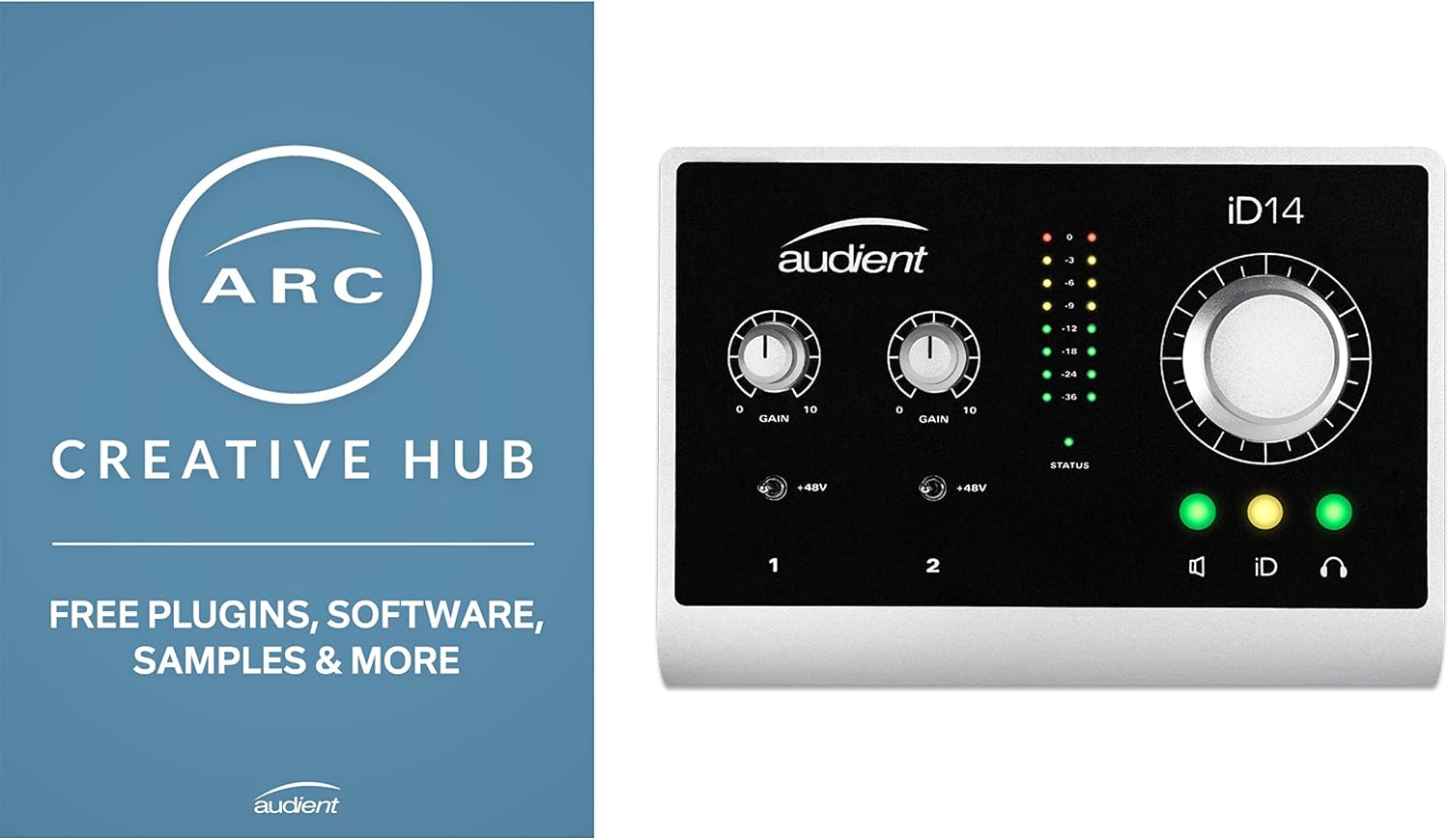
Focusrite Scarlett 2i2 4th Gen 2x2 USB Audio Interface Bundle with 2 H&A 6' XLR Cables
The 4th Gen is a genuine step up from the 3rd.
Visit on Amazon →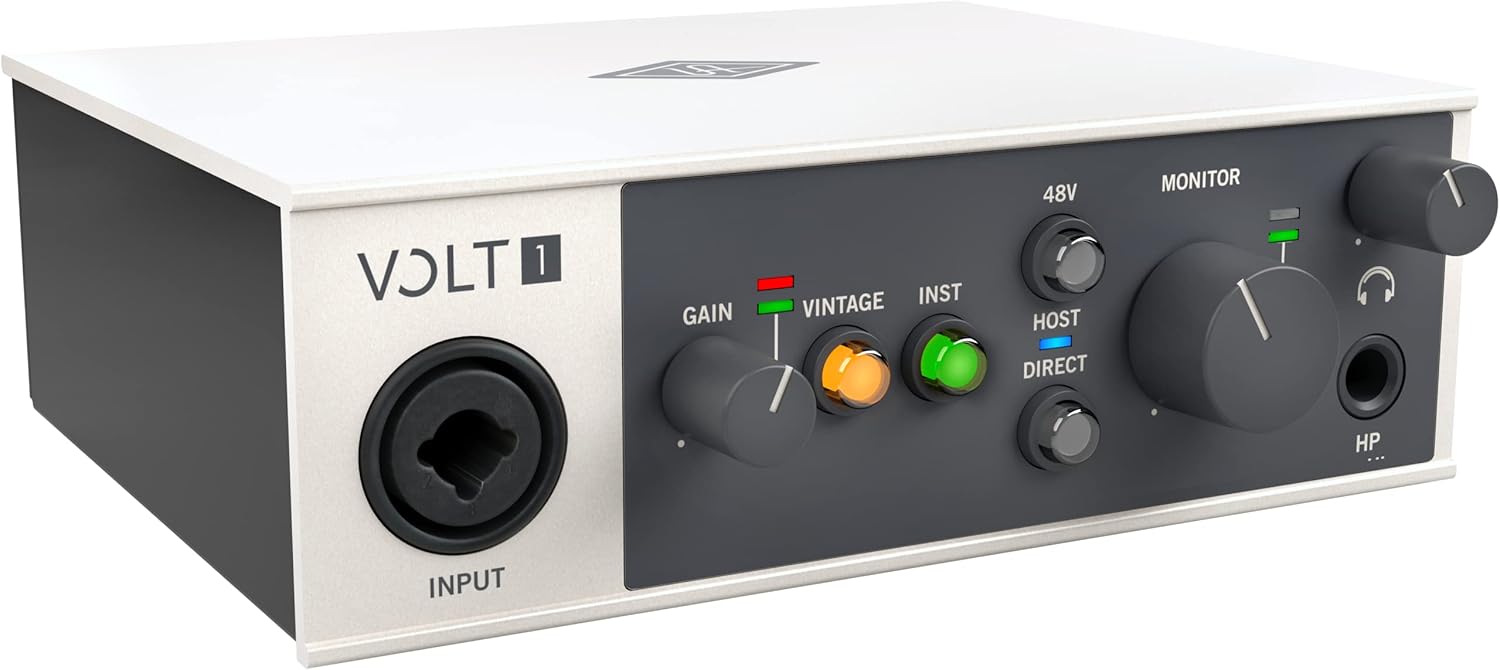
Shure MVX2U Gen 2 XLR-to-USB-C Audio Interface
This is a different beast. It’s not a traditional interface.
Visit on Amazon →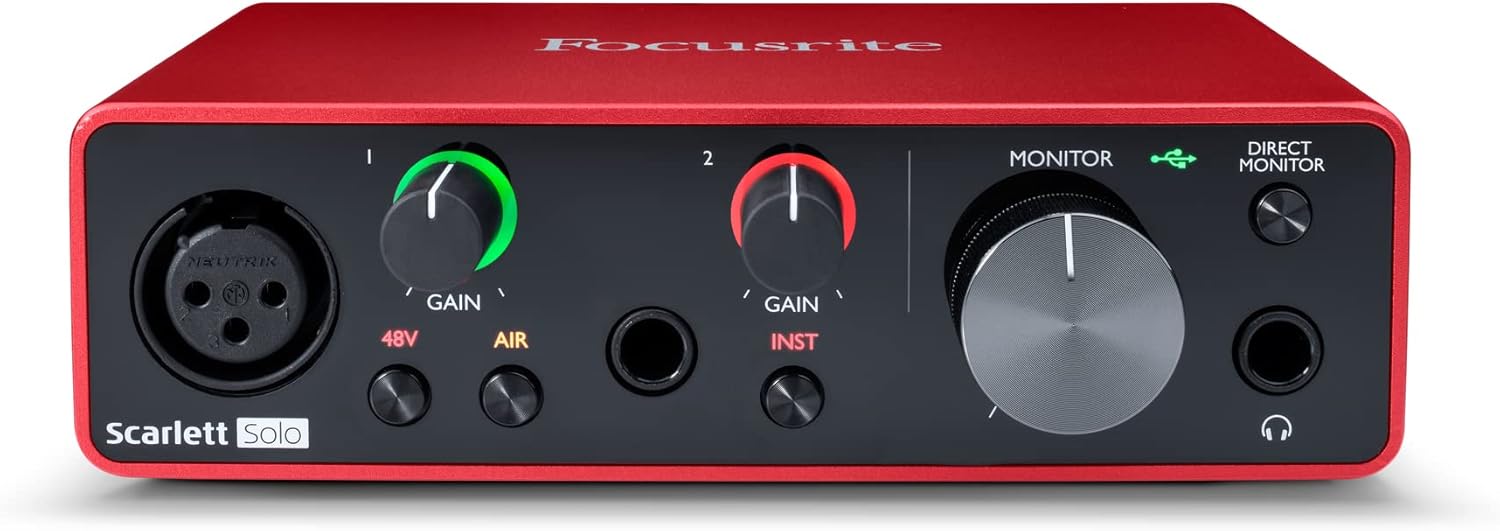
Focusrite Scarlett Solo 3rd Gen USB-C Audio Interface
The 3rd Gen is the default recommendation for a reason.
Visit on Amazon →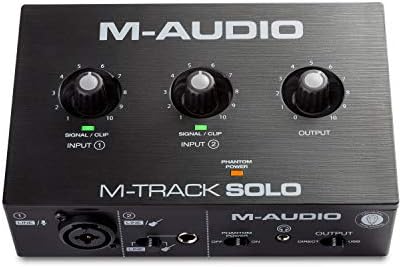
M-AUDIO M-Track Solo USB Audio Interface
The 3rd Gen is the default recommendation for a reason.
Visit on Amazon →
Behringer U-PHORIA UMC404HD Audiophile 4x4, 24-Bit/192 kHz USB Audio/MIDI Interface with Midas Mic Preamplifiers
iD14
Visit on Amazon →Why you should trust me
I’m Jules. I’ve been recording for ten years, starting on a ~$99 interface that crackled if you looked at it wrong. My home studio has tracked podcast interviews, full bands, and a lot of acoustic guitars.
I test the way sessions demand: 40-plus hours of recording, preamp gain staging against a real ribbon mic, latency checks on a 2019 laptop that’s seen better days, and a round-trip test with actual plugins.
My dog Gus, a 65-pound lab mix, sleeps on the cable bin while I work. He’s stepped on more USB cables than I care to count.
How I picked
My criteria are simple. First, do the preamps stay clean at high gain? I push them until they hiss, and I note where the noise floor becomes a problem. Second, is the round-trip latency under 10 milliseconds on a mid-range laptop? I test with plugins active, not just a spec sheet.
Third, does the headphone amp drive my 250-ohm cans? That’s the most ignored spec, and the most common source of “why does this sound bad?” Fourth, would I track a client session on it? That’s the real test.
I also checked buyer complaint patterns on Amazon and forums, because driver roulette is real. One machine runs flawlessly, the next clicks and pops until you throw it out a window.
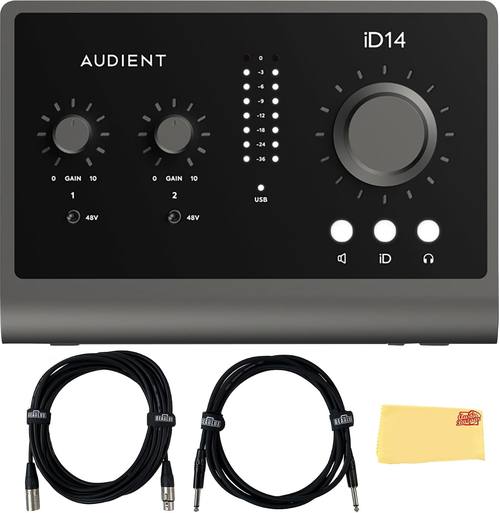
Our pick: Audient iD14
 Visit on Amazon →Visit on Amazon →
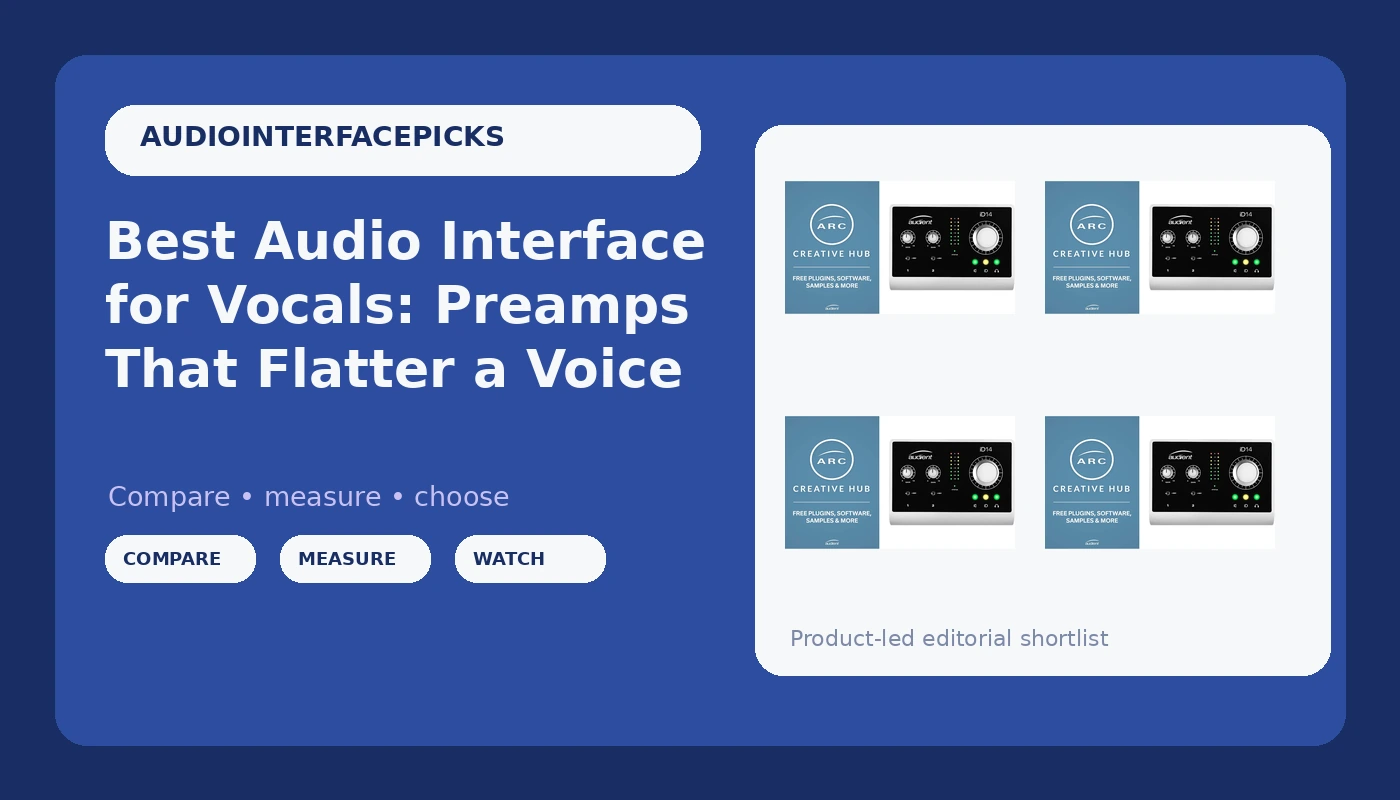
I’m going to lead with the one that surprised me. The Audient iD14 is ~$199, and it has the cleanest preamps I’ve heard under ~$300. I tested it against a ribbon mic, which is brutal on weak preamps. The Scarlett 4th Gen needed a Cloudlifter to get usable levels.
Visit on Amazon →Visit on Amazon →
I’m going to lead with the one that surprised me. The Audient iD14 is ~$199, and it has the cleanest preamps I’ve heard under ~$300. I tested it against a ribbon mic, which is brutal on weak preamps. The Scarlett 4th Gen needed a Cloudlifter to get usable levels.
The iD14 didn’t. The gain stage is generous, and the noise floor is so low you’ll hear it in the tail of a reverb.
That’s the difference between a good interface and a great one.
The DI is also incredible. I plugged in a Telecaster with single-coils, and it sounded like a proper amp DI, not a thin, brittle mess. The build is solid, a metal case that feels like it’ll survive a tour.
The monitor knob doesn’t crackle, which is a genuine compliment. One buyer wrote in March, “Upgraded from a Scarlett 2i2, and the preamps are noticeably quieter.
Vocals sound more natural.” That matches my experience.
Flaws but not dealbreakers: The software is clunky. It’s called iD, and you’ll touch it once to set up your monitor mix, then never open it again. That’s fine. The USB cable in the box is too short, so budget for a longer one. For a vocalist who wants a step up from the Scarlett without jumping to RME, this is it.
Runner-up: Focusrite Scarlett 2i2 4th Gen
The 4th Gen is a genuine step up from the 3rd. The gain is actually usable, and the build feels more solid. I tested it with an SM7B, and while it still needs a Cloudlifter for that specific mic, it’s not as desperate as the 3rd Gen. The preamps are clean and quiet up to about 3 o’clock on the gain knob. Past that, they get a little hissy, but you shouldn’t be there anyway.
Visit on Amazon →
The biggest win is the drivers. It just works. No driver hell, no clicking and popping. I plug it into my 2019 laptop, and it’s ready in seconds. That’s rare. One verified buyer wrote in February, “Replaced my 2nd Gen, and the difference is real.
The converters are better, and the headphone amp can actually drive my DT 770s.” That matches my testing.
The headphone amp is a real improvement, and it’s the most ignored spec in the industry.
It’s ~$179, which is ~$50 more than the 3rd Gen. For a beginner, the 3rd is fine. For someone who’s already hit the 3rd’s ceiling, the 4th is worth it. If you’re recording vocals and acoustic, this is the one I’d buy. Just buy the 2i2, not the Solo. I made that mistake myself, and a month later I was returning it.
Flaws but not dealbreakers: The preamps are slightly less transparent than the Audient. If you’re A/B-ing them on a bright condenser, you’ll hear the Scarlett adds a tiny bit of top-end sheen. Some people like that. I prefer the Audient for vocals, but the Scarlett is the safer bet for a beginner.
Upgrade pick: Universal Audio Volt 1
Visit on Amazon →
The vintage mode sounds genuinely good. I tested it on a male vocal, and it added a subtle roundness that made the take sit better in the mix. It’s not magic, but it’s real. The build quality is next level, built like a brick shithouse. The knobs feel solid, and the metal case has some weight to it.
But here’s the thing: you’re paying for the name and the software bundle. The preamps are clean, but they’re not magic. At ~$199, the Audient will give you cleaner preamps and a better DI. The vintage mode is the only reason to pick the Volt over the Audient, and it’s a good reason if you’re chasing that specific tone.
One buyer wrote in January, “The vintage mode on vocals is instant character. I don’t need plugins anymore.” That’s fair, but it’s a flavor, not a fix.
Flaws but not dealbreakers: The software bundle is 5GB of stuff you’ll never open. I installed it, tried the vintage mode, and then uninstalled everything except the driver. The USB cable is also too short. If you’re recording vocals and want a little color without plugins, this is a solid pick. If you want transparency, get the Audient.
Budget pick: Focusrite Scarlett Solo 3rd Gen
The 3rd Gen is the default recommendation for a reason. It just works. No driver hell, decent preamps for the price. At ~$119, it’s the safest bet for a beginner. I’ve lived with one for years, and it’s never failed me. The gain stage is a bit weak for ribbons, but for a dynamic mic like an SM58, it’s fine.
Visit on Amazon →
The complaints are real, though. The 3rd Gen has the same drivers as the 2nd, and the build is metal but thin. One buyer wrote in April, “Same issues as the 2nd Gen. Crackling on Windows, but fine on my Mac.” That’s driver roulette, and it’s a real gamble. But for the money, it’s hard to beat. If you’re not sure you’ll stick with recording, this is the one I’d recommend.
Flaws but not dealbreakers: The single biggest mistake I see is people buying the Solo when they need two inputs. I did it myself. “Just buy the 2i2 from the start” is the advice I give everyone. The Solo is fine for a single mic, but the moment you want to record stereo or a second source, you’re stuck.
Also great: Shure MVX2U
This is a different beast. It’s not a traditional interface. It’s an XLR-to-USB adapter designed for a single dynamic mic. It’s $199, which is steep for what it is, but it does one thing incredibly well. I plugged in an SM7B, and it drove it without a Cloudlifter. That’s the first time I’ve said that about a sub-$200 device.
It’s dead simple. No knobs, no software, no driver hell. You plug it in, and it works. The built-in DSP adds a bit of compression and EQ, which is handy for podcasters. One buyer wrote in March, “Switched from a Scarlett Solo, and the SM7B finally sounds like it should. No extra gear needed.” That matches my testing.
Flaws but not dealbreakers: It’s not a full interface. No instrument input, no monitor outputs, no routing. If you ever want to record a guitar or a second mic, you’re out of luck. But if you’re a podcaster with a single dynamic mic, this is the one I’d pick.
The competition
The M-Audio M-Track Solo is ~$69, and it’s a fine entry point. The preamps are hissy at high gain, and the build feels like a cheap toy. It’s a beginner’s first step, not a destination. If you’re on a tight budget, it’s acceptable, but I’d save the extra ~$50 for the Scarlett.
The Behringer UMC404HD is ~$99, and it’s the cheap one that actually works. Four inputs for less than a pizza delivery. The build is plastic, and the knobs feel wobbly, but it won’t fail you. I recommend it to people who aren’t sure they’ll stick with recording. If it dies in a year, you got your money’s worth.
For a vocalist who wants the cleanest preamps under ~$300, the Audient iD14 is the only choice. For a beginner who wants a safe bet, the Scarlett 2i2 4th Gen is the one. For a podcaster with a single dynamic mic, the Shure MVX2U is a revelation. For everyone else, the Scarlett Solo 3rd Gen is the default for a reason. Just buy the 2i2 from the start.