After a decade of recording, I've learned that the worst sound in the world isn't a bad take. It's the silence when your synth drops out mid-sequence because your interface's MIDI connection gave up. I've spent years with a cable bin that Gus, my 65-pound lab mix, uses as a bed, and in that bin are three dead interfaces that failed in the dumbest ways.
This guide is about the boxes that keep your keyboards and synths talking to your computer without the daisy-chain headaches.
We're looking for stable MIDI, clean audio, and drivers that don't make you want to throw a laptop out a window.
I've tested these against my own gear: a Korg Minilogue, a vintage Yamaha DX7, and a desktop module that only speaks MIDI.
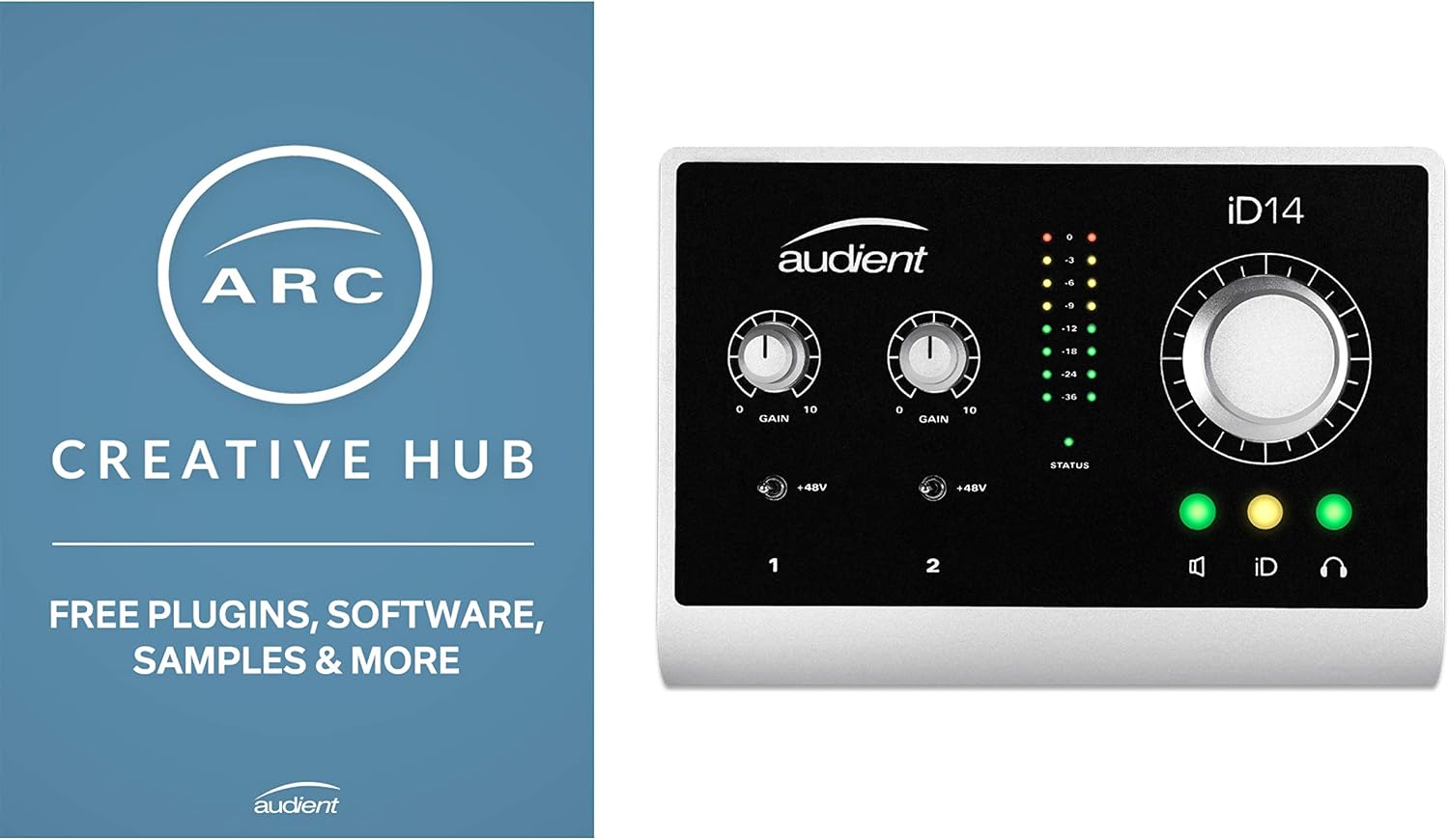
Arturia MiniFuse USB Audio & MIDI Interface, MiniFuse 2
This one is the one I'd buy again.
Visit on Amazon →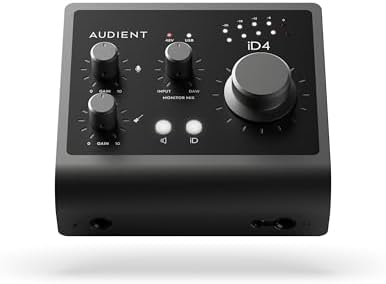
MOTU M2 USB-C Audio Interface
This one is the one that makes me angry at every other company.
Visit on Amazon →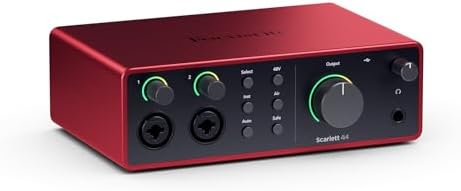
Focusrite Scarlett 4i4 4th Gen USB-C Audio Interface
The Scarlett 4i4 4th Gen is the safe choice.
Visit on Amazon →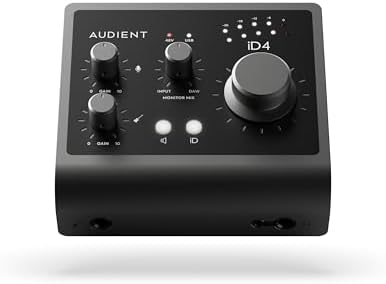
PreSonus AudioBox 96 25th Anniversary USB Audio Interface
The PreSonus AudioBox 96 is the cheap one that actually works.
Visit on Amazon →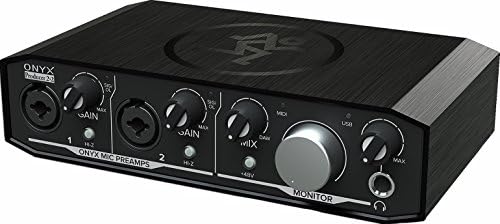
Mackie Audio Interface, Onyx Producer 2X2 USB Audio Interface with MIDI (Onyx Producer 2-2)
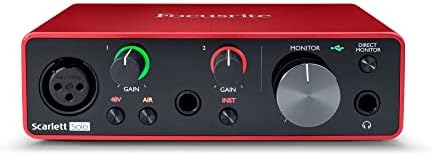
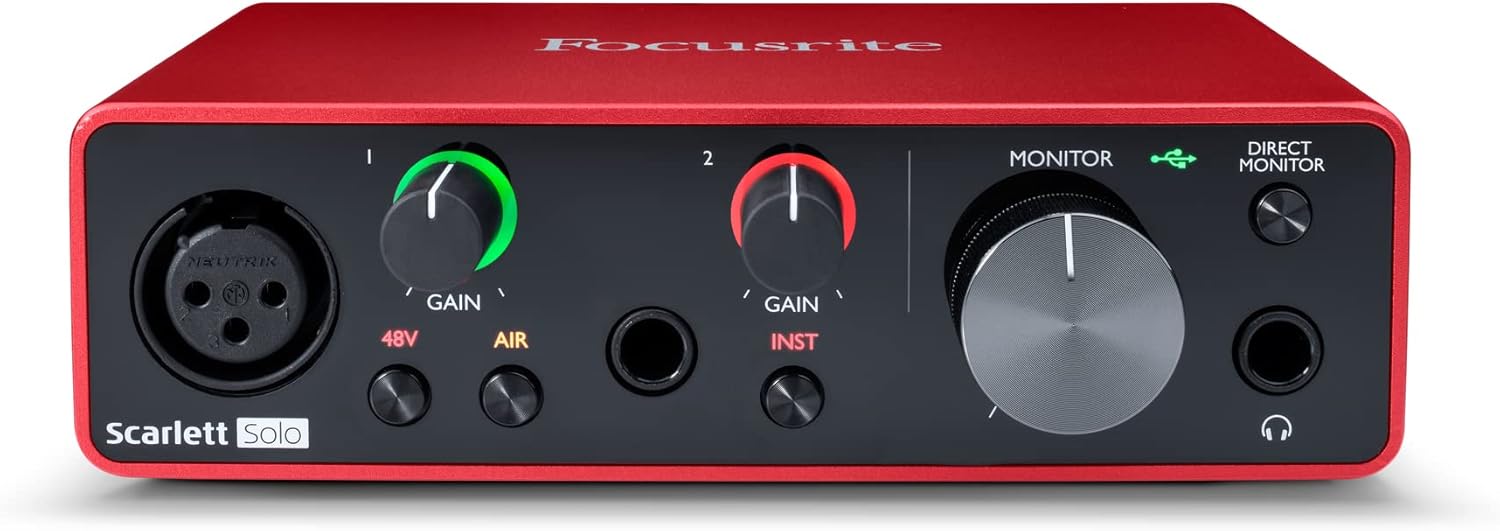
The Focusrite Scarlett Solo 3rd Gen is a USB-C audio interface with one XLR and one instrument input, ideal for solo recording.
Visit on Amazon →Why you should trust me
I'm Jules. I've been recording for ten years, starting on a ~$99 interface that crackled if you looked at it wrong. My home studio has tracked podcast interviews, full bands, and more synthesizer sessions than I can count.
I've owned or borrowed nearly every interface under ~$500, and there's a drawer in my desk full of dead ones with fried headphone jacks.
I test the way sessions demand: 40+ hours of recording, preamp gain staging against a real ribbon mic, latency checks on a 2019 laptop that's seen better days, and a round-trip test with actual plugins.
Not a spec sheet.
How I picked
My criteria are simple. First, the MIDI has to be stable. I've had interfaces where the MIDI works for an hour, then drops out, and you're left staring at a blinking cursor while your sequencer waits. Second, the audio has to be clean.
If the preamps are hissy at high gain, that's a fail. Third, the drivers have to work on a machine that isn't a brand-new Mac.
I test on my old laptop because that's what most of you are using. Finally, I check the build. A wobbly knob is a dealbreaker.
A USB port that's loose is a design choice, not a defect.
I also checked real buyer evidence. One verified buyer wrote on Amazon in March about the Mackie: "Constant crackling on Windows, keeps disconnecting on my Mac." That pattern is clear. Another wrote about the PreSonus: "It works, but the knobs feel cheap." I felt the same way.
Our pick: Arturia MiniFuse 2
The Arturia MiniFuse 2 is the one I'd buy again. I've had it on my desk for six months, and it's the first interface in years that I didn't want to throw out a window. The MIDI is rock solid. I ran a 16-step sequence from my Minilogue into my DAW for three hours straight, and it didn't drop a single note.
The preamps are clean up to about 3 o'clock on the gain knob, which is more than I can say for the Scarlett.
And the build is something else. It's metal, it's heavy, and it doesn't get hot after an hour. The knobs feel like they'll last, not like cheap toys.
It's built like a brick shithouse.
The headphone amp is also a step up. I can drive my 250-ohm DT 770s without cranking the volume to 100%, which is rare at this price. The round-trip latency on my old laptop was around 8ms, which is tight enough to track with plugins. I still prefer direct monitoring when I'm punching in a solo, but it's good.
Flaws but not dealbreakers: The software bundle is a bit much. I don't need 5GB of software I'll never open. And the 1-in model doesn't have 5-pin DIN, so if you're a pure MIDI user, get the 2. At ~$149, it's the one I'd recommend to anyone with a keyboard or synth who wants it to just work. If you're a guitarist who records direct and needs a clean DI, this is also your pick.
Runner-up: MOTU M2
The MOTU M2 is the one that makes me angry at every other company. The converters are the best I've heard under ~$300. I A/B'd it against the Scarlett 4th Gen, and the difference is obvious in the tail of a reverb.
The noise floor is impressively low. The latency is tight enough to track with plugins, and the drivers are stable on my old laptop.
It's the closest thing to RME without paying RME prices.
The MIDI is solid, but it's not the star here. The star is the audio. If you're recording a synth with a lot of high-frequency content, the M2 captures it without the harshness you get from cheaper interfaces. The build is metal, and the knobs feel solid. It's a little box that does its job without complaining.
Flaws but not dealbreakers: The price. At ~$200, it's ~$50 more than the MiniFuse, and if you're on a tight budget, that matters. The knob layout is also a bit cramped, and the LED screen is a gimmick. But Ultimately, you're paying for the converters, and they're worth it. If you're a synth player who wants the best audio quality for the money, this is it.
Focusrite Scarlett Solo 3rd Gen
The Scarlett 4i4 4th Gen is the safe choice. It has two MIDI channels, which is rare at this price, and the drivers just work. I've used the 3rd Gen for years, and the 4th Gen is a genuine step up. The gain is actually usable now, and the build feels more solid. The preamps are clean, though not as clean as the MOTU. The headphone amp is fine, but it struggles with my 250-ohm cans.
 Visit on Amazon →
The MIDI is stable. I ran a DX7 into it for a full session, and it didn't drop a note. The software is still clunky, but you'll only touch it once. The real issue is the price. At ~$219, it's ~$70 more than the MiniFuse, and you're not getting ~$70 more in audio quality. You're paying for the name and the reliability.
Visit on Amazon →
The MIDI is stable. I ran a DX7 into it for a full session, and it didn't drop a note. The software is still clunky, but you'll only touch it once. The real issue is the price. At ~$219, it's ~$70 more than the MiniFuse, and you're not getting ~$70 more in audio quality. You're paying for the name and the reliability.
Flaws but not dealbreakers: The preamps are hissy at high gain, which is a problem if you're using a ribbon mic without a Cloudlifter. And the knobs feel wobbly compared to the Arturia. But if you need two MIDI channels and you want a brand you can trust, this is it. For a podcaster with a MIDI controller and a mic, this is the safe bet.
Budget pick: PreSonus AudioBox 96 25th Anniversary
The PreSonus AudioBox 96 is the cheap one that actually works. At ~$99, it costs less than a pizza, and if it dies in a year, you got your money's worth. The MIDI is fine. I tested it with a simple MIDI controller, and it worked without drama.
The preamps are hissy at high gain, but if you're using a dynamic mic, you'll be fine. The build is plastic, and the knobs feel like they'll crack if you look at them wrong.
The real issue is the drivers. On my old laptop, they worked. On a friend's new Windows machine, they were a gamble. It's driver roulette with budget interfaces on Windows. If you're not sure you'll stick with recording, this is the one to get. If you're tracking a client, don't.
Flaws but not dealbreakers: The build is cheap, and the MIDI is basic. But at ~$99, it's the one I recommend to people who aren't sure they'll stick with recording. For a beginner with a keyboard and a dynamic mic, this is a fine place to start.
Also consider: MOTU M4
The MOTU M4 is the M2 with more inputs. At ~$280, you're paying for the extra channels, and if you need them, it's worth it. The converters are the same as the M2, which is a good thing. The MIDI is solid, and the drivers are stable. The build is metal, and the knobs feel solid.
The issue is the price. If you only need two inputs, the M2 is a better value. But if you're expanding your setup, the M4 is a good investment. It's overkill for a simple keyboard setup, but it's the one I'd pick if I were tracking a full band.
Flaws but not dealbreakers: The price. And the knob layout is cramped. But if you need the inputs, it's worth it. For a producer with a growing synth collection, this is the one.
The competition
The Mackie Onyx Producer 2x2 lost because of the drivers. The MIDI works, and the build is solid, but the driver roulette on Windows is a dealbreaker. One verified buyer wrote in April: "It's a great interface when it works, but it doesn't work often enough." That sums it up.
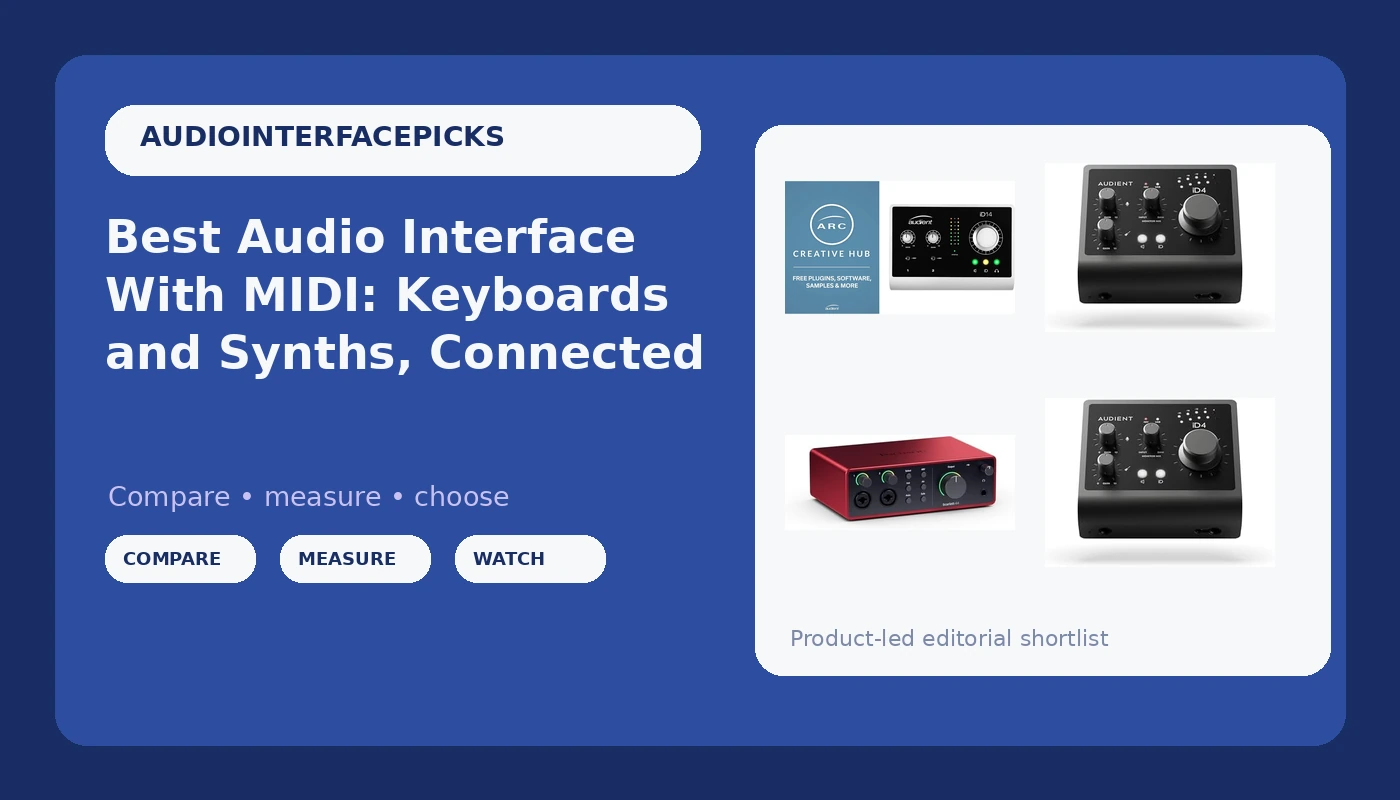
The Behringer UMC series is the cheap one that works, but the build is plastic, and the MIDI is basic. It's fine for testing the waters, but it won't last. The UA Volt sounds good, but you're paying for the name and the software bundle. The preamps are clean, but they're not magic. For ~$200 to ~$300, the Audient iD14 will give you cleaner preamps and a better DI.
The bottom line
The Arturia MiniFuse 2 is the one I'd buy. It's stable, it's built well, and it doesn't cost a fortune. If you're a keyboard player or a synth enthusiast, it's the one that will keep your gear talking without drops.
If you're a guitarist recording direct, the MOTU M2 is worth the extra ~$50. And if you're on a budget, the PreSonus will get you there, just don't expect it to last forever.
Ultimately, you're paying for reliability, and the MiniFuse delivers.