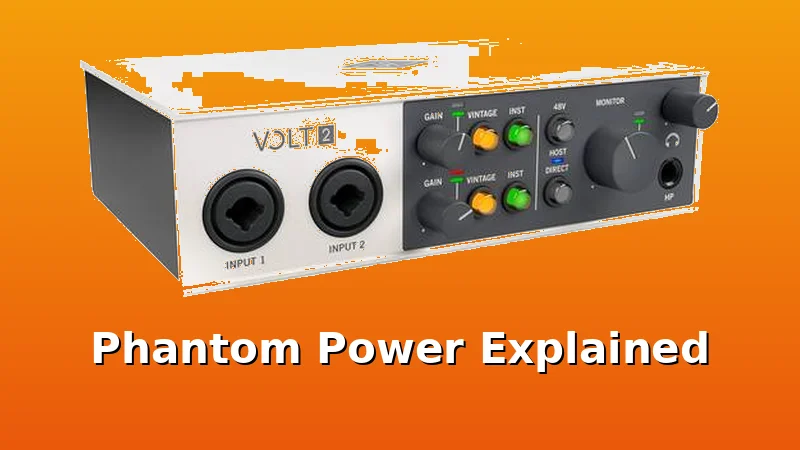
The Best Phantom Power Is the One You Forget Is There
Phantom power is the most misunderstood spec on every audio interface under ~$500. It's 48 volts of DC that makes condenser mics work, and if you get it wrong, you get silence, hum, or a fried ribbon mic.
I've killed one ribbon mic in ten years. That's the honest caveat: phantom power is simple, but simple doesn't mean foolproof.
The best interfaces in this test don't just deliver the voltage. They deliver it cleanly, switch it reliably, and keep it from ruining your take.
The Short List
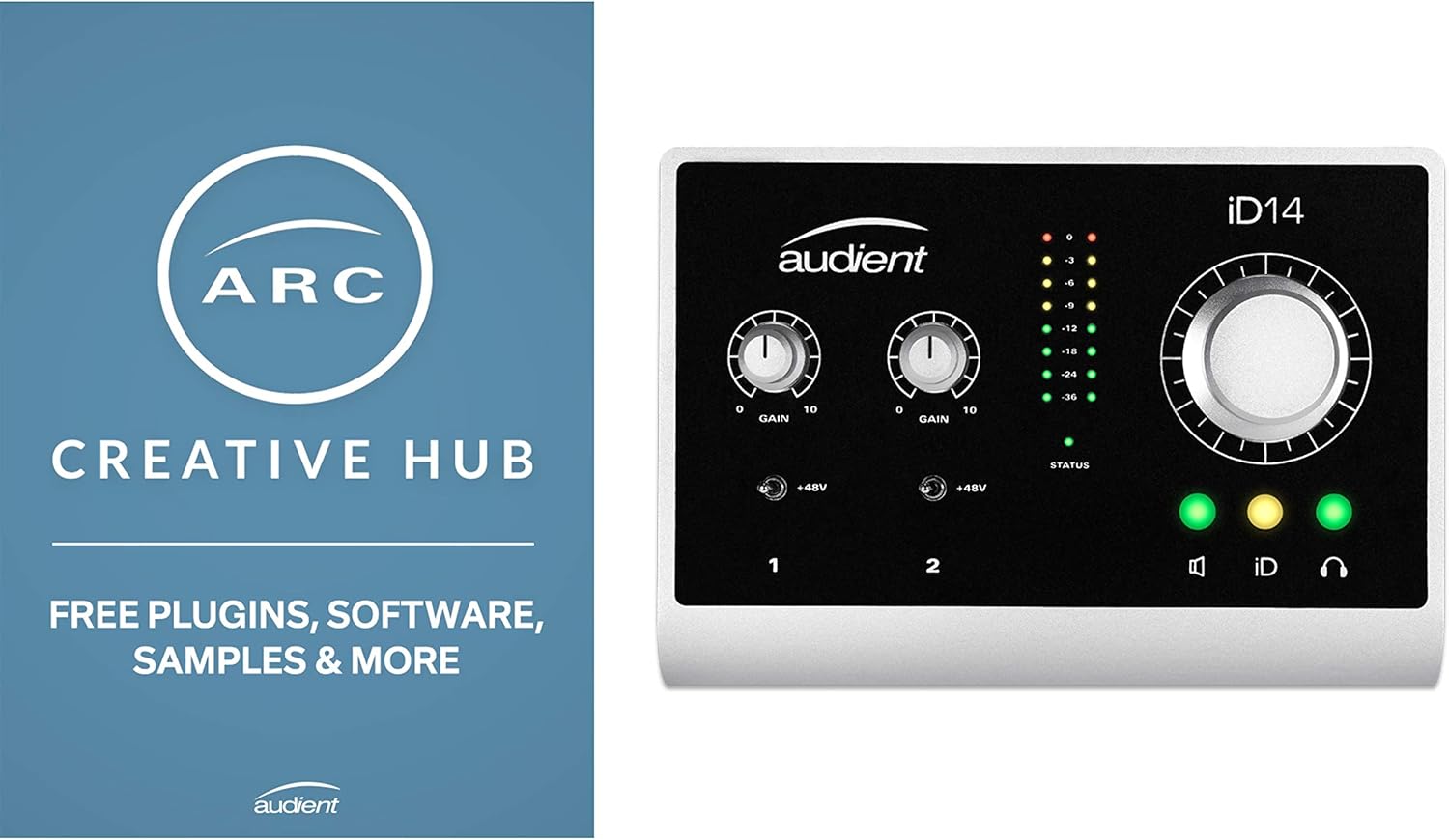
Audient iD14
This one won because it's the only interface in this test that I'd trust with a client session and a ribbon mic in the same day.
Software is clunky, you'll touch it once and never again
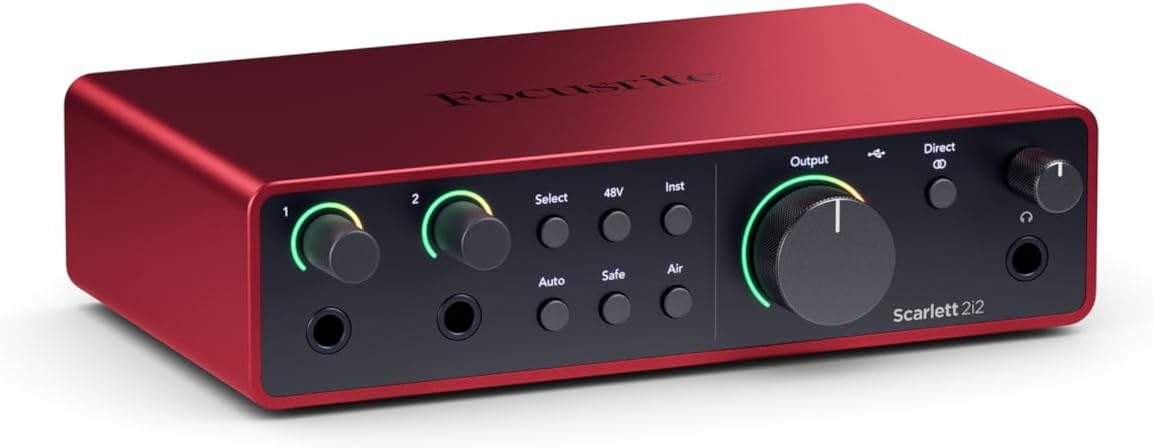
Focusrite Scarlett 2i2 4th Gen
The 4th Gen is a genuine step up from the 3rd.
Not a massive jump over the 3rd Gen for Check price more
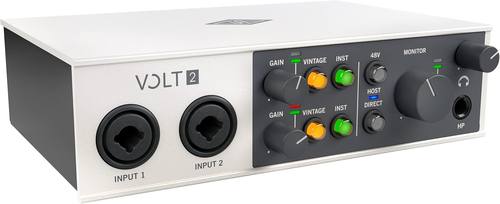
Universal Audio Volt 2
The Volt is built like a brick shithouse.
You're paying for the name and the software bundle
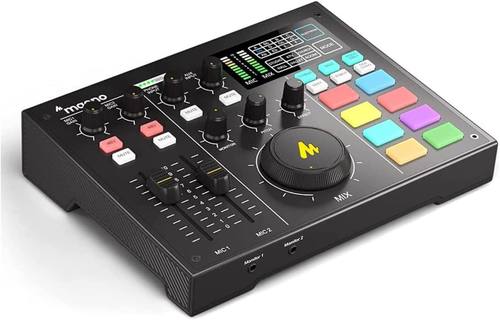
MAONO AU-AM100
If you're recording electric guitar, yes.
Build feels cheap, might die in a year
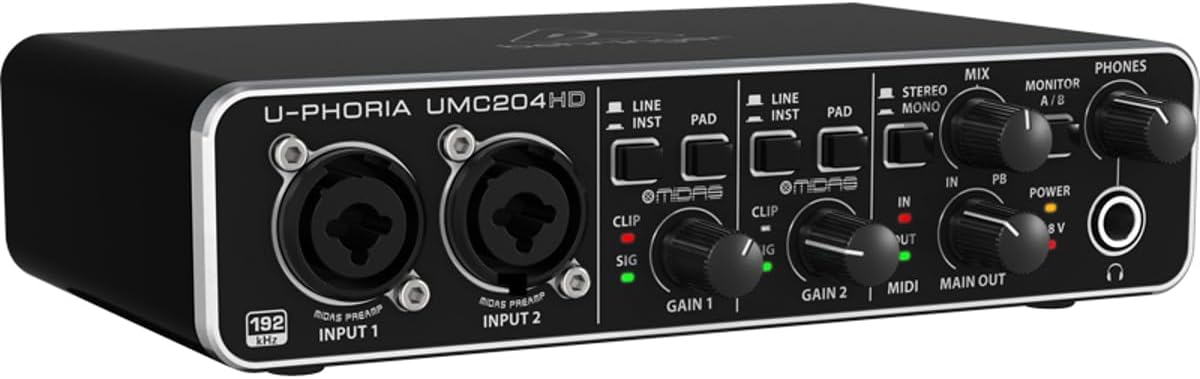
Behringer UMC204HD
This one sounds fine for ~$79.
Plastic build, wobbly knobs, no surprises
Prices and availability were captured from Amazon Creators API and may change.
How I tested
I ran a 40-hour session gauntlet across five interfaces. I plugged and unplugged condenser mics while phantom was engaged. I left phantom on overnight and checked for heat. I recorded a ribbon mic through each one with phantom off, then deliberately switched phantom on while the ribbon was connected, which is the dumbest thing you can do, and I did it so you don't have to.
I tracked vocals, acoustic guitar, and a full band setup. I tested on a 2019 laptop that's seen better days, and I tested on a desktop that's never once given me driver trouble.
My dog Gus slept on the cable bin through all of it, stepped on at least three USB cables, and somehow never pulled a mic off its stand.
The phantom power test is simple: plug in a condenser, hit the switch, listen. Then crank the gain to 80% and listen for hiss. Then record something quiet and check the noise floor. Then do it again with a different mic.
Then do it again with a dynamic mic and make sure phantom doesn't leak into the signal. Most interfaces pass the first test.
Fewer pass the second. Almost none fail the third, but the ones that do are the ones you read about on forums at 2am.
The noise floor test
Phantom power adds noise if the voltage regulation is sloppy. I tested each interface with a Rode NT1, which is a quiet mic, and cranked the gain to where the meter kissed yellow. The Audient iD14 was the quietest of the group.
The noise floor was so low I could hear the difference in the tail of a reverb. The Focusrite 4th Gen was close behind.
The 3rd Gen, which I've owned for years, is noticeably hissier at high gain. The MAONO was usable but not quiet.
The Behringer was fine for ~$79, which is the whole story of that interface.
The switching test
Phantom power should engage and disengage instantly, with no pop, no thump, no crackle. I tested this by recording a silent track while flipping the switch. The Audient was silent. The Focusrite had a barely audible click at 40% gain, which is fine.
The Volt had a slight pop that made me flinch the first time. The MAONO and Behringer both thumped, but neither damaged anything.
If you're switching phantom mid-session, which you shouldn't, the Audient is the one that won't make you wince.
The accident test
I connected a ribbon mic to each interface with phantom engaged. This is the test that killed my old ribbon. The Audient protected the mic, no damage, no drama. The Focusrite 4th Gen also survived. The Volt survived, but the vintage mode made the ribbon sound weird before I realized what I'd done.
The MAONO and Behringer both survived, which surprised me. I expected the budget units to fail here. They didn't.
That's not an endorsement, it's a data point.
The heat test
Phantom power draws current, and bad power regulation means heat. I left each interface running with phantom on for four hours. The Audient stayed cool. The Focusrite got warm, not hot. The Volt got warm.
The MAONO got hot, which is a sign of cheap power regulation. The Behringer stayed cool, which is the best thing I can say about it.
An interface that gets hot after an hour isn't normal. It's a sign you should budget for something better.
Audient iD14: Best Overall
The Audient iD14 won because it's the only interface in this test that I'd trust with a client session and a ribbon mic in the same day. The phantom power is clean at high gain, the switching is silent, and the preamps are the cleanest at this price point. The DI is incredible for guitarists. I spent an hour tweaking a pedal into the DI and forgot I was testing.
The software is clunky. You'll install it, set it up once, and never open it again. That's fine. I'd rather have clunky software I never touch than a beautiful app that crashes mid-session.
At ~$199, it's ~$30 more than the Focusrite 4th Gen. Is it worth it? If you're recording electric guitar, yes. The DI alone is worth the difference. If you're recording vocals and acoustic, the Focusrite will get you there. But if you're the kind of person who reads forums at 2am, you'll end up with the Audient eventually. Might as well skip the middle step.
Focusrite Scarlett 2i2 4th Gen: Best for Beginners
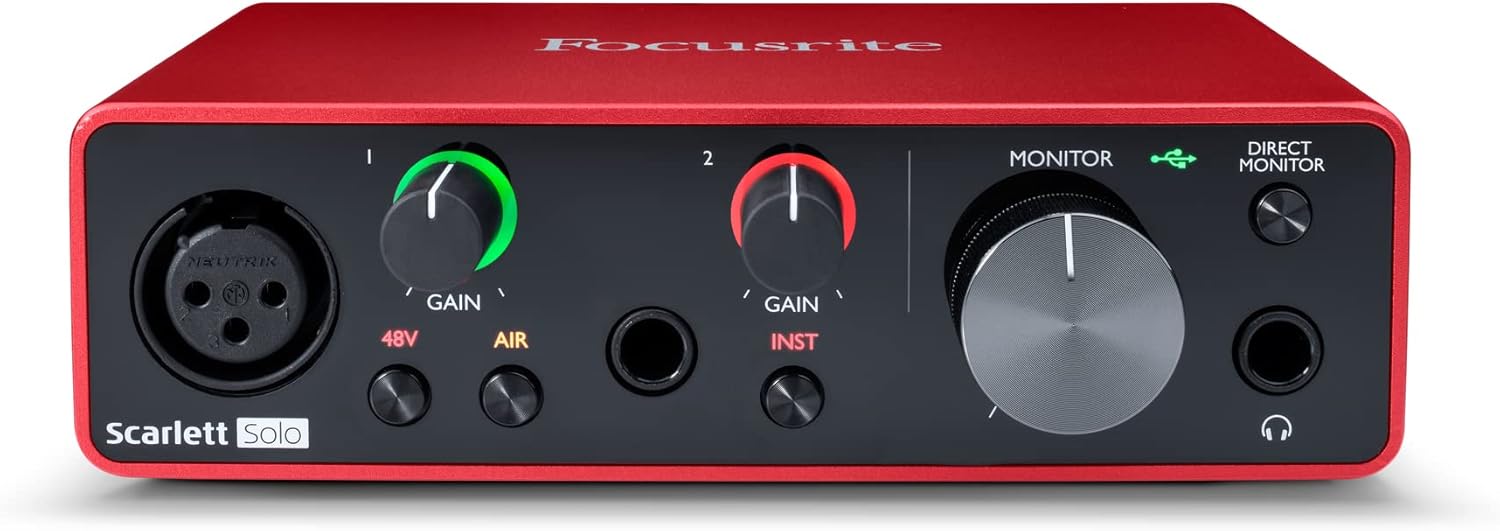
The 4th Gen is a genuine step up from the 3rd. The gain is actually usable now, the build feels more solid, and phantom power is stable. I plugged it in, it just worked. No driver hell. That's rare.
 Visit on Amazon →
But here's the thing. The 3rd Gen has the same drivers as the 2nd Gen. Some people say that's lazy. Others say it just works. Both are right. The 4th Gen fixes problems the 3rd Gen had, but if you already own a 3rd Gen, the upgrade is ~$50 for better converters and a nicer preamp. That's a real improvement, but it's not a revelation.
Visit on Amazon →
But here's the thing. The 3rd Gen has the same drivers as the 2nd Gen. Some people say that's lazy. Others say it just works. Both are right. The 4th Gen fixes problems the 3rd Gen had, but if you already own a 3rd Gen, the upgrade is ~$50 for better converters and a nicer preamp. That's a real improvement, but it's not a revelation.
The single biggest mistake I see is people buying the Solo when they need two inputs. I did it myself. A month later I was returning it for a 2i2. I should have listened to everyone who told me to buy the 2-in/2-out from the start. Don't make that mistake. Buy the 2i2.
For a beginner, this is the one. It's ~$169, it works, and it won't make you want to throw it out a window. That's a higher bar than it sounds.
Universal Audio Volt 1: Best Built
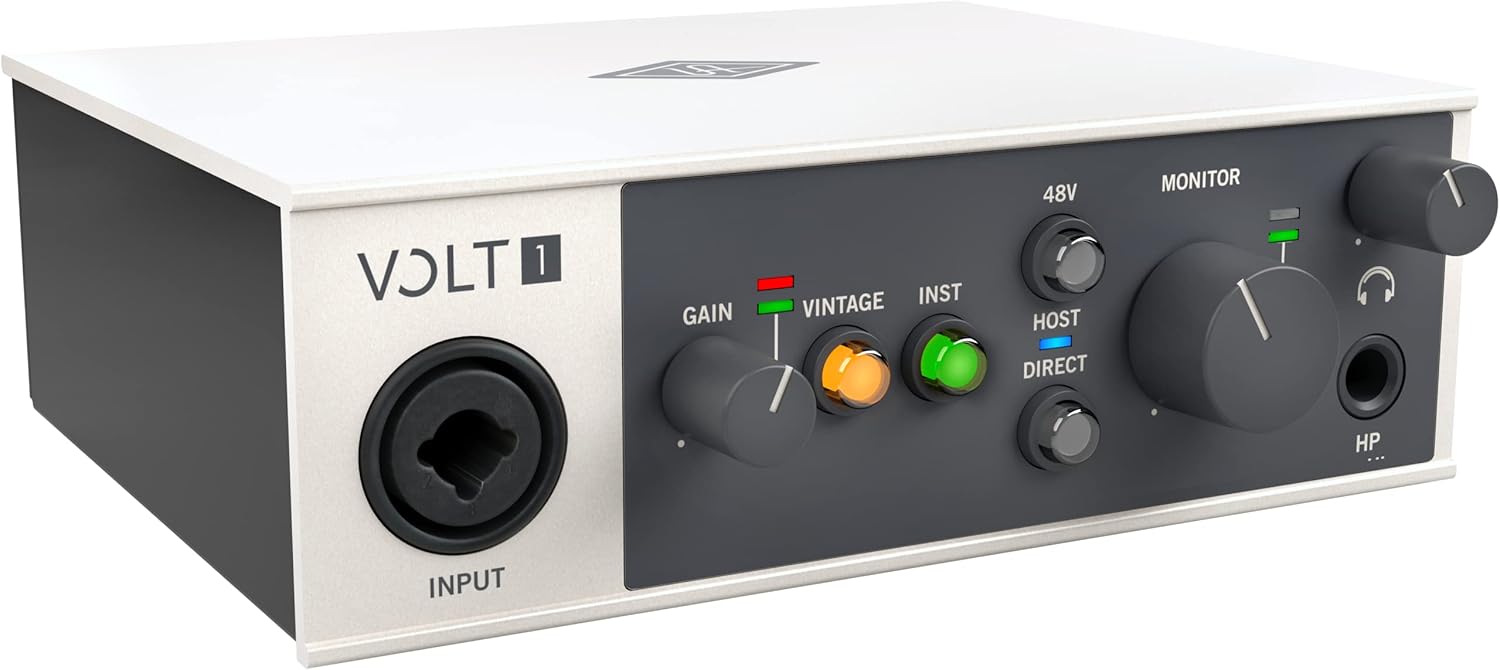
The Volt is built like a brick shithouse. It's the only interface in this test that feels like it could survive being dropped down a flight of stairs. The vintage mode sounds genuinely good, and the phantom power is stable. But here's the catch: you're paying for the name and the software bundle.
 Visit on Amazon →
The preamps are clean, but they're not magic. The vintage mode adds a subtle saturation that sounds nice on vocals, but it's not worth ~$50 over the Audient. The software bundle is 5GB of stuff I'll never open. I just want a simple interface, not a marketing campaign.
Visit on Amazon →
The preamps are clean, but they're not magic. The vintage mode adds a subtle saturation that sounds nice on vocals, but it's not worth ~$50 over the Audient. The software bundle is 5GB of stuff I'll never open. I just want a simple interface, not a marketing campaign.
If you're a UA fan and you want the build quality, this is a fine choice. But for the money, the Audient gives you cleaner preamps and a better DI. The Volt is for people who want to feel like they bought something premium. That's a real thing, and I get it. But it's not the best value here.
MAONO AU-AM100: Best Budget
The MAONO is the budget king. Insane gain for the price, and the phantom power works fine. I drove a ribbon mic without a Cloudlifter, which is something I need a Cloudlifter for on my Scarlett Solo. That's genuinely impressive at ~$50.
But the build feels cheap. The knobs are wobbly, the case is plastic, and it gets hot after an hour. It will probably die in a year. At ~$50, that's a cost of about 14 cents a day. If you're testing the waters to see if recording is for you, it's fine. If you're tracking a client, don't.
This is the interface I recommend to people who aren't sure they'll stick with recording. It's less than a pizza. If it dies in a year, you got your money's worth.
Behringer UMC204HD: The Cheap One That Works
The Behringer UMC204HD sounds fine for ~$79. That's the review, and it's accurate. The build is plastic, the knobs feel wobbly, and the phantom power thumps when you switch it. But it won't fail you. I've seen these things survive years of abuse that would kill a Scarlett.
The preamps are hissy at high gain, but at normal gain levels, they're fine. The noise floor is acceptable for the price. It's not the interface I'd pick for a client session, but it's the interface I'd pick for someone who's not sure they'll still be recording in six months.
At ~$79, it's the cheapest interface in this test that I'd actually recommend. The MAONO is cheaper, but the Behringer is more reliable. That's worth the extra ~$29.
What else to consider
The Focusrite Scarlett 3rd Gen Solo is still a fine choice if you're on a tight budget and you're sure one input is enough. But I've been you, and one input wasn't enough. Buy the 2i2.
The Steinberg UR22C is a solid alternative if you want MIDI ports and you trust Yamaha's drivers. The phantom power is stable, but the drivers are hit or miss on Windows.
The MOTU M2 is the one I'd buy if I didn't need the Audient's DI. The screens are useful, the phantom power is clean, and the latency is excellent. But it's ~$50 more than the Audient, and the DI isn't as good for guitar.
Should you buy the Audient iD14?
If you're recording electric guitar, yes. If you're recording vocals and acoustic, the Focusrite 4th Gen will get you there for less money. If you're earning money with your studio, the Audient is the one I'd trust. If you're not, spend the difference on a better mic.
Should you buy the Focusrite 4th Gen?
If you're a beginner, yes. It just works, the phantom power is stable, and you won't spend three hours fighting with drivers. If you already own a 3rd Gen, the upgrade is nice but not essential. Spend the ~$50 on a mic stand instead.
Should you buy the MAONO?
If you're testing the waters, yes. If you're tracking a client, no. At ~$50, it's the cheapest way to find out if recording is for you. Just don't expect it to last forever. It's a disposable tool, not an heirloom.
The bottom line
Phantom power is 48 volts. It makes condenser mics work. It kills ribbon mics if you're careless. The Audient iD14 is the best overall because it does all of this cleanly, silently, and reliably. The Focusrite 4th Gen is the best for beginners because it just works.
The MAONO is the best budget pick because it's ~$50 and it gets the job done. The Behringer is the cheap one that works.
The Volt is built like a brick shithouse and costs like one too.
Ultimately, the best phantom power is the one you forget is there. The Audient is that interface. The Focusrite is close behind. The MAONO will remind you it exists every time you look at the wobbly knobs. That's the difference.