Related: Best USB Audio Interface for Podcasting: Two Mics, No Compromises
Budget audio interfaces stopped being a compromise a while ago. The chips got better, the drivers got boring in the good way, and the preamps in the sub-$300 bracket now hold up at gain settings that would have turned a cheap box into a hiss factory ten years back. I record bands for a living and I still track my own projects at home, and the questions I get are almost never about microphones. They are about which box the microphone plugs into.
So this is the short list I hand people: two Behringer interfaces that cover the cheap end and the band end, the Audient EVO 8 for the person who wants room to grow, and one mixing book that will change your recordings more than a preamp upgrade will. Four products, four different jobs.
The rule I repeat until people stop asking: the preamp is the interface. Two boxes with identical spec sheets can behave completely differently at three o'clock on the gain knob, and that difference shows up on every take you ever record. Everything below is sorted by that logic, not by feature count.
Best Overall: Audient EVO 8 USB Audio Interface
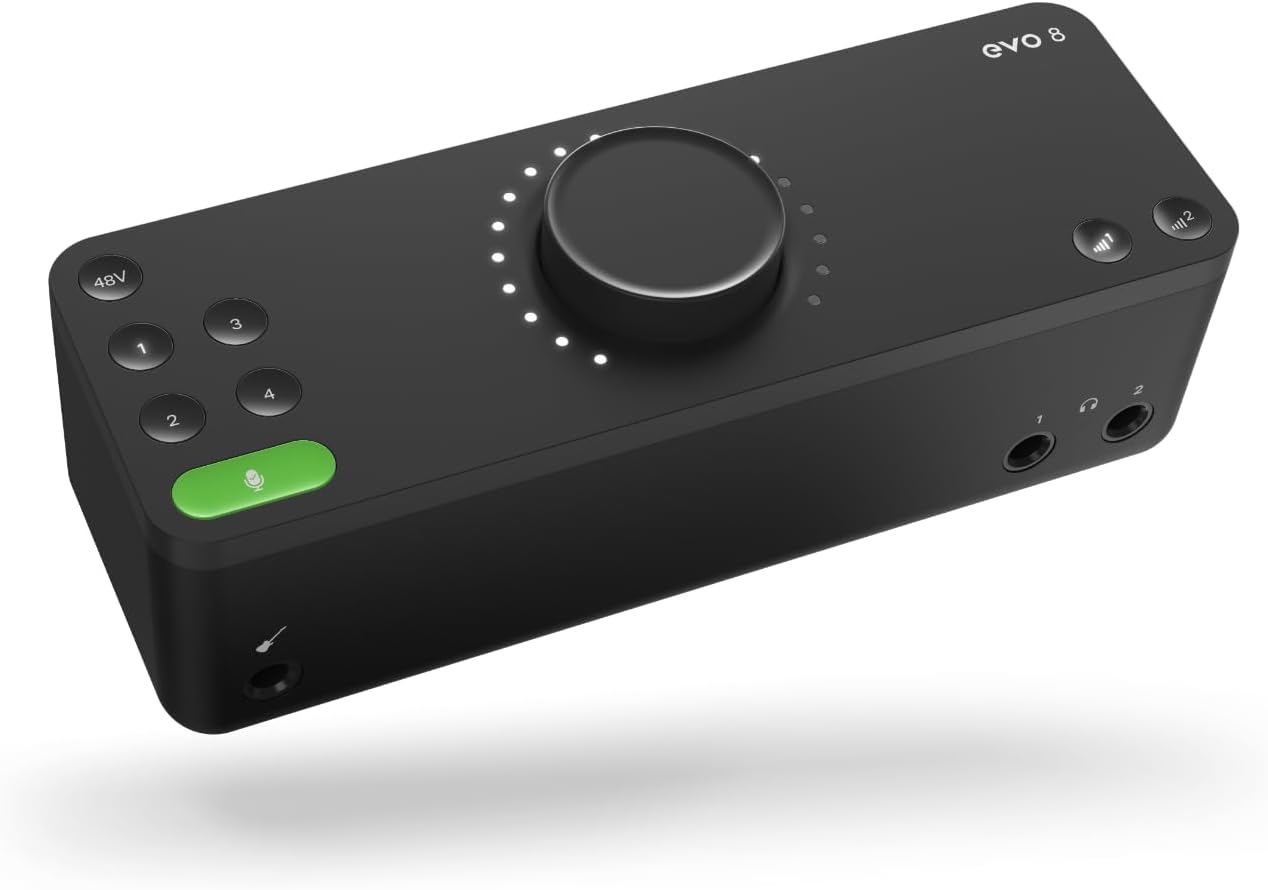
If your budget stretches and you want one interface that will not feel like a toy in two years, the EVO 8 is where I point. Audient has been building consoles and preamps for a long time, and that lineage shows up in how the gain behaves. It stays clean as you push it, and that is the thing you notice on a quiet dynamic mic or a ribbon that wants a lot of level. A preamp that stays honest at high gain is worth more than a longer feature list, because you cannot fix a grainy take after the fact.
It is also the pick for someone who wants headroom to grow. Start with two mics and a guitar, and you are not shopping again the moment a third person shows up with a keyboard or a second vocalist. The preamps are the reason to pay more than the Behringer price. If you have ever recorded a take where the loudest note went from clean to crunchy between two lines of a verse, you already know what you are buying here.
What it is not is a magic box. Your room, your mic placement, and your performance still do the heavy lifting. But between a decent mic and a decent preamp, the interface is the part that lets the mic do its job, and the EVO 8 does that without asking you to think about it. That is the whole pitch: fewer decisions, cleaner signal, and a box that will still make sense when your setup grows.
Best Budget: Behringer UMC202HD
This is the box I tell people to buy when the budget is real and the goal is simply to start recording. Two inputs, 24-bit conversion at up to 192 kHz, and Midas mic preamps, which is a strange amount of hardware for the money. The U-Phoria line has been the best cheap entry point for years, and this model is the sweet spot in it.
Two inputs covers more than beginners think. One condenser on a stand plus a guitar through a DI is a complete singer-songwriter rig. Two dynamic mics on a table is a podcast. A single mic and a click track is how half the demos in Nashville get made. What it will not do is track a drum kit, and you should not try to make it.
The honest caveat is the software side. The Windows drivers on this line will test your patience, and if you are the kind of person who resets settings on every reboot, budget an afternoon for setup and then leave it alone. On a modern laptop with a clean install, the round trip is workable for tracking. Just do not expect the driver experience of a box that costs three times as much, because you are not paying for that. You are paying for two good preamps, and you get them.
Phantom power is on board, which is what lets a condenser work at all. If your laptop's USB port is flaky, understand that you are asking a lot of bus power, and a powered hub is cheap insurance before a session, not after.
Best for Full Bands: Behringer UMC1820
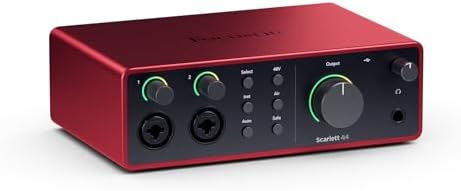
When the session has more than two people in it, this is the one. Eighteen inputs and twenty outputs in a single rack space, Midas preamps across the mic channels, MIDI on board, and ADAT I/O, which is the part that matters long term. ADAT means you can add an external preamp later over optical and grow the channel count without replacing the interface. That is the difference between buying a box and buying a platform.
Full band tracking is where this earns its place. Kick, snare, overheads, bass DI, two guitars, a scratch vocal, and you are still not out of inputs. Podcasters with guests and a mix-minus setup also live comfortably here, because you can keep a separate send for the guest without patching anything clever.
The warning is the same one I give every time: do not buy eight preamps to record one voice. If your show is two people at one table, the UMC202HD does the job and leaves money for a mic. Buy the UMC1820 when you have an actual channel count problem, not when you are planning for a band that does not exist yet. And budget for a rack space and cable management, because a box this size turns a desk into a studio whether you are ready or not.
The Skill Pick: Step By Step Mixing
This is the cheapest thing on the list and the one most likely to change how your recordings sound. It walks through building a mix with five plug-ins, which is exactly the right constraint for someone who just bought their first interface and is drowning in stock plugins they do not understand.
Here is the argument. You can spend another $150 on a preamp and get a slightly cleaner version of the same take. Or you can learn why your vocal disappears when the guitars come in, and every take you record from then on gets better. The second option costs less and compounds. If your mixes sound small compared to the records you love, the problem is almost never the interface. It is gain staging, arrangement, and knowing which two moves actually matter. This book is a straight path to those moves, and it is short enough that you will finish it.
How I judge a budget interface
Four questions, every time, and none of them are about the spec sheet.
Do the preamps stay clean at high gain? This is the whole ballgame. A quiet dynamic mic like an SM7 needs a lot of clean gain, and a box that gets grainy at two o'clock is a box that limits which mics you can use. The UMC202HD and UMC1820 both carry Midas preamps, which is why they punch above their price, and the EVO 8 is the one I trust most when the gain goes up.
Is the driver situation sane? Latency is about drivers, not just the chip. A great converter with terrible drivers is a paperweight, and you find out in the first hour when your guitar feels like it is playing itself a beat late. Under 10 ms round trip is fine, under 5 ms is invisible. Anything that resets your buffer settings on reboot gets on my nerves fast.
Does the headphone amp hold up? This is the most ignored spec on the box and the one that ruins takes. If you are tracking with 250-ohm headphones and the headphone output clips before it gets loud enough, you will perform worse and blame yourself. Plug in the cans you actually own before you commit.
Would I track a client session on it? That is the real test. Not "is it fine for a beginner," but "would I hand this to a paying musician and not apologize." The answer is yes for the EVO 8, yes for the UMC1820, and yes for the UMC202HD if the session is two channels and the drivers are behaving.
The comparison table
| Product | Role in the studio | Stated format | Best for | Price |
|---|---|---|---|---|
 Visit on Amazon → Visit on Amazon →Audient EVO 8 USB Audio Interface |
The step-up pick | USB audio interface | Clean gain at high settings, setups that will grow | Check current Amazon price |
 Visit on Amazon → Visit on Amazon →Behringer UMC202HD |
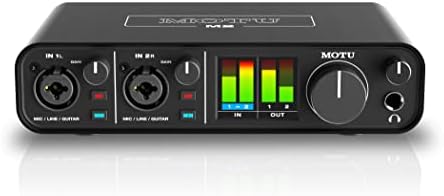
The budget entry | 2x2, 24-bit/192 kHz, Midas mic preamps | One mic plus guitar, two-mic podcasts, first rigs | Check current Amazon price |
 Visit on Amazon → Visit on Amazon →Behringer UMC1820 |
The band pick | 18x20, USB audio and MIDI, Midas preamps, ADAT I/O | Drum tracking, full bands, expanding later | Check current Amazon price |
 Visit on Amazon → Visit on Amazon →Step By Step Mixing |
The skill pick | Book, five-plugin mixing method | Anyone whose mixes sound smaller than their takes | Check current Amazon price |
What the table cannot tell you
The table says what each product is for. It cannot tell you how the box feels at three o'clock on the gain knob, and that is the part you live with. Format numbers are easy to compare and mostly meaningless once you are past a certain floor. Gain staging is where the money goes.
Two things to decide before you buy anything. First, how many inputs do you actually need this year, not in a fantasy where your friends start a band with you? Most home recordings are one or two channels, and the money you save on unused inputs buys a better microphone, which changes your sound far more. Second, what happens when the session is over? A budget interface is not the bottleneck on a good take. A bad room and a bad mix are. If your tracks sound thin, spend the difference on treating the corner behind the mic and on learning to mix.
One more thing about drivers, because it is the most common reason people return a perfectly good interface. Install the manufacturer's driver, not whatever the operating system finds on its own. Set your buffer as low as the machine will take without crackling, then stop touching it. If your settings vanish every reboot, that is a driver problem, and no amount of preamp quality will fix it. Test the round trip with the plugins you actually use, not an empty project, because an empty project lies.
Should you buy the Audient EVO 8?
Yes, if the budget is there. The preamps are the reason, and clean gain at high settings is the thing you cannot fake later. It is the interface I would hand to someone who wants to record for years without thinking about the box again. If you are choosing between this and a cheaper interface plus a better microphone, take the cheaper interface and the better microphone first. Then come back here when you outgrow it.
Should you buy the Behringer UMC202HD?
Yes, for a first interface, with one warning. Two Midas preamps and 24-bit conversion at this price is a genuinely good deal, and it will make a clean recording of a voice and a guitar. Just know that the drivers are the weak link, not the sound, and that you are trading polish for price. Do the setup once, properly, and it will serve you until you have a reason to upgrade.
Should you buy the Behringer UMC1820?
Yes, if you have a channel count problem right now. Eighteen inputs and ADAT expansion in one rack space is a lot of room to grow, and the Midas preamps mean you are not sacrificing quality for quantity. If you are recording a two-person podcast, no. Buy the two-input box and put the difference into microphones and a mix-minus setup that works. Buy this one the week you run out of inputs, not the week you imagine you might.
Should you buy Step By Step Mixing?
Yes. It is the cheapest purchase in this article and the one most likely to change how your recordings sound. Five plugins is the right constraint, and the lessons about gain staging and balance apply no matter which interface you ended up with. Buy the interface that fits your inputs, then buy this and learn to use what you already own. That order is the whole strategy.